Pew Research Center illustrationAbout this research
This Pew Research Center report looks at what makes people feel proud of their country. We asked an open-ended question allowing people in 25 countries to share, in their own words, what makes them proud.
Why did we do this?
Pew Research Center does research to help the public, media and decision-makers understand important topics. This project adds context to the Center’s long-standing work on national identity and national pride, in the U.S. and around the world.
We surveyed 33,486 people across 25 countries: Argentina, Australia, Brazil, Canada, France, Germany, Greece, Hungary, India, Indonesia, Israel, Italy, Japan, Kenya, Mexico, the Netherlands, Nigeria, Poland, South Africa, South Korea, Spain, Sweden, Turkey, the United Kingdom and the United States. For more on how we conducted the survey in each country, read Appendix A.
Responses to the open-ended question were recorded verbatim and professionally translated to English. Researchers then developed a codebook and coded each response. We are reporting the percentage of respondents in each country who mentioned each topic. Because people are often less likely to answer open-ended questions and because we coded 28 different topics, the percentages are sometimes fairly low. For more on the coding process or the codebook itself, read Appendix B or Appendix C, respectively.
Here is the survey question used for this report, with findings by topic. For a full, ordered list of topics by country, refer to the detailed tables in Appendix E.
Open-ended responses highlighted in the text of this report were chosen to represent the key themes researchers identified. They have been edited for clarity and, in some cases, shortened for brevity.
We asked more than 30,000 people in 25 countries, “What makes you feel proud of your country?” They spoke broadly about the people and diversity in their country, their government and economy, and their culture and lifestyle. To learn what people said in their own words, explore each country below.
Select a country:
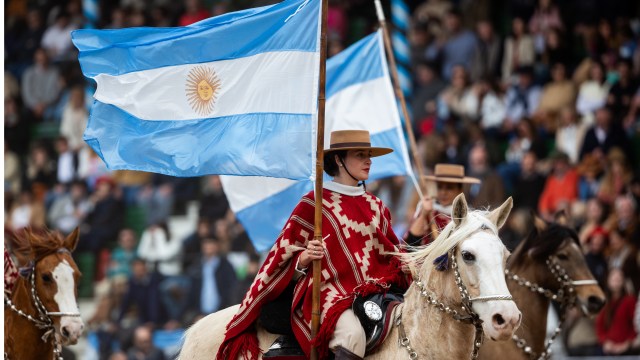
A woman on horseback holds an Argentine flag as part of the Expo Rural in July 2024 in Buenos Aires. (Tomas Cuesta/Getty Images)A woman on horseback holds an Argentine flag as part of the Expo Rural in July 2024 in Buenos Aires. (Tomas Cuesta/Getty Images)
Argentines are particularly proud of the people in their country. They note their “solidarity” and how “supportive and empathetic” people are. And while pride in the citizenry is common in many of the countries surveyed, the share who bring it up in Argentina (35%) is notably high.
Argentines also emphasize being born in Argentina or having Argentine ancestry (15%), as well as the country’s arts and culture (14%). One 85-year-old man says he is proud simply “because I was born here and I love it.” Compared with other countries, relatively few mention something negative when asked about what makes them proud.
“The quality of the people. I have lived in other countries and they do not compare to us. We are very human, we have a lot of warmth.”
– Woman, 44, Argentina
“The citizens, because they are a big block of unity, the people are very supportive. We are a country very rich in land and very prosperous. Many people immigrate here because they feel it is a sociable country to grow in.”
– Man, 27, Argentina
“All the people, our culture, our history, strength and that great things were created: scientists, art, language, history and music.”
– Man, 48, Argentina
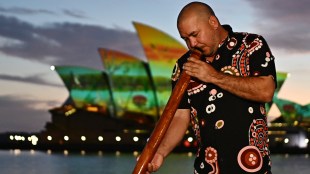
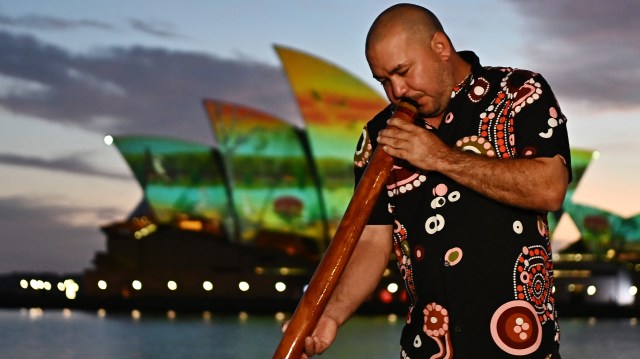
Musician Cameron Leon performs with a didgeridoo near Sydney Opera House for Australia Day on Jan. 26, 2025. (Ayush Kumar/AFP via Getty Images)Musician Cameron Leon performs with a didgeridoo near Sydney Opera House for Australia Day on Jan. 26, 2025. (Ayush Kumar/AFP via Getty Images)
Australians are most proud of the people of their country. A quarter (25%) emphasize the “mateship” they feel with other Australians as well as how they “lend a hand” in times of need, such as natural disasters. They are also proud of their country’s political system and governance (21%) and its diversity (19%). People mention the contributions and “rich cultural history” of the Aboriginal and Indigenous people, as well as how welcoming the country is to immigrants and to all nationalities and religions.
Australians are also among the most likely to mention the country’s lifestyle (13%) as a source of pride, characterized by a “laid-back” attitude.
“We are a welcoming and tolerant country. We have a high standard of living. In my part of Australia, we respect everyone’s right to live their life as they want; a farmer or a retail worker is just as important and appreciated as someone in politics or a doctor or a billionaire. We, as a nation, love our relaxed and easygoing natures.”
– Woman, 70, Australia
“Our laid-back attitude, not having the churches in government, our freedom, having good relationships with other countries, slowly acknowledging our First Nations people, the cleanliness of our country, the thought and planning of our cities, and in emergencies and natural disasters, everyone helps and looks out for each other.”
– Man, 50, Australia
“I feel proud that we live in a wealthy country with a multitude of different cultures. We have great opportunities regarding work and education and generally don’t discriminate about age, race, religion or class. Most Australians I encounter have an outwardly easygoing, honest, open-minded and personable nature.”
– Woman, 30, Australia
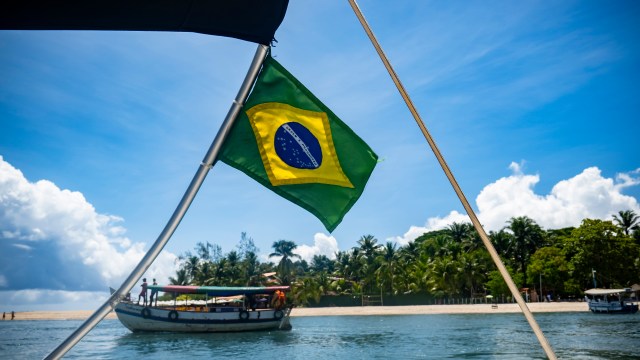
A Brazilian flag hangs on a boat off the island of Boipeba in Brazil. (Emmanuele Contini/NurPhoto via Getty Images)A Brazilian flag hangs on a boat off the island of Boipeba in Brazil. (Emmanuele Contini/NurPhoto via Getty Images)
A quarter of Brazilians (25%) say they are proud of the people in their country, describing them as welcoming and accepting, as well as highlighting the positive social climate in Brazil.
Brazilians also mention their country’s landscape and geography at a fairly high rate (17%), saying it has “postcard-worthy places.” They name the Amazon, the beaches of Santa Catarina and Pantanal as things that make them proud, and they even mention the lack of natural disasters.
Nearly one-in-five also mention something negative when asked what makes them proud (17%) – and this is about three times as common among those who do not identify with a party in the government as among those who do (21% vs. 8%).
“A land that welcomes all peoples and nations, that fights for democracy. It is a very rich country, with many natural beauties, but it becomes weakened and lacks global recognition due to widespread corruption.”
– Woman, 59, Brazil
“We don’t have natural disasters like they do abroad – such as tsunamis, hurricanes, earthquakes. We have a lot of natural wealth that we export to other countries, such as coffee and açai.”
– Woman, 25, Brazil
“Brazilians are welcoming by nature. They are helpful, warm and go out of their way to serve and help others.”
– Man, 63, Brazil
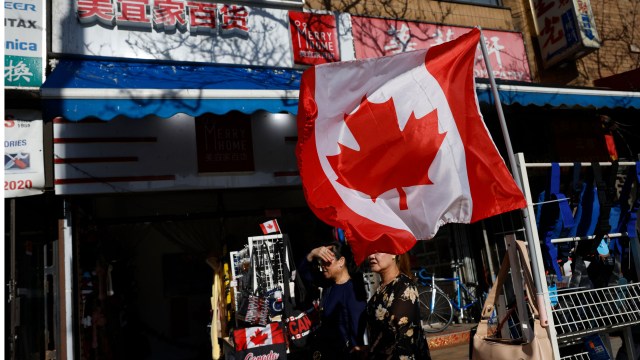
People walk through downtown Toronto’s Chinatown in April 2023. (Cole Burston/AFP via Getty Images)People walk through downtown Toronto’s Chinatown in April 2023. (Cole Burston/AFP via Getty Images)
Canadians most commonly say they are proud of the people in their country (28%) as well as its diversity and multiculturalism (27%). They often emphasize the tolerant, kind and welcoming nature of Canada and describe it as a multicultural “mosaic.”
Canadians are also more likely to name their international standing as a source of pride (19%) than people in any other country surveyed, particularly emphasizing its independence from the United States by saying things like “we are NOT American.” (The survey was fielded in spring 2025, when U.S. President Donald Trump made several statements calling Canada the “51st state.”) They also highlight the country’s important role in global missions. One man said, “We have always listened to the rest of the world and tried to be a peacekeeper.”
Canadians are also quite proud of their country’s political system (22%), its freedoms (17%) and its “free health care” (16%).
“Our democracy works well. We have respect for all nationalities [and] all sexualities. We treat everyone with respect, all nationalities. We [aren’t] perfect but we are a country that tries to do the right thing. We are standing up to the United States. I am very proud of my country.”
– Woman, 66, Canada
“A government that reflects the will of the people …. Our publicly funded health care that will take care of everyone without putting them in significant amount of debt, strong social safety net, beautiful landscape, and my family ties are in Canada.”
– Man, 35, Canada
“I am proud that we are always willing to stand beside and behind our allies, that we are more interested in peacekeeping than war, that when our neighbors and allies needed us we do not hesitate, and that we never instigate conflict. And hockey.”
– Woman, 47, Canada
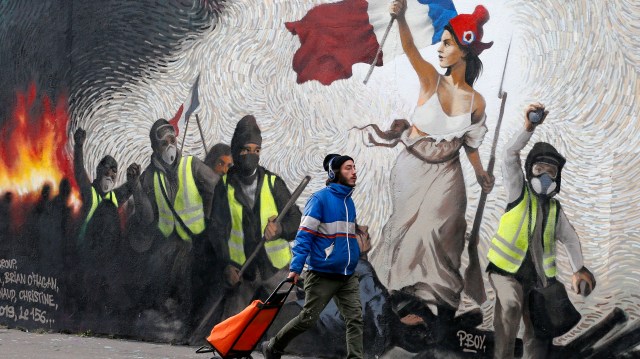
A pedestrian walks past artist Pascal Boyart’s mural “Liberty Leading the People 2019” in Paris in January 2019. (Chesnot/Getty Images)A pedestrian walks past artist Pascal Boyart’s mural “Liberty Leading the People 2019” in Paris in January 2019. (Chesnot/Getty Images)
About a quarter of French adults (26%) say they are proud of their arts and culture – one man dubbing it “culture with a capital C” – and praise the know-how of artists, like the “craftsmen and women who rebuilt [the] Notre Dame” cathedral. France stands out as one of the countries where people are most likely to express pride in their food (15%), mentioning “French cuisine” and their ability to “enjoy good wine and cheese.”
The country’s people (24%), history (22%) and the services available to the French public (21%) are also key sources of national pride. So is the country’s natural beauty (19%), such as its “sea, mountains and countryside.”
The national motto – “Liberty, Equality, Fraternity” – is another thing the French take pride in. About two-in-ten (22%) are proud of the freedom in their country, including the freedom of expression that French people enjoy, or their “ability to complain.”
“I’m proud of our history, what we represent on the international stage, and our health care system, even if it’s not perfect. [It is] a beautiful country with a lot of diversity. Great artists and craftsmen [with] recognized know-how.”
– Woman, 53, France
“Its history, its heritage, its culture. Let France be the land of light. Let it be a breeding ground for great minds. The country, that is to say its territory, its landscape. The beauty of the country.”
– Woman, 74, France
“The spirit of the Enlightenment and all that comes from it – science, culture, progress. The prestige of the schools and all the scientific spirit that emanates from them. The diversity of culture, landscapes, heritage and agriculture. The richness of the regions and French values: liberty, fraternity, etc.”
– Man, 45, France
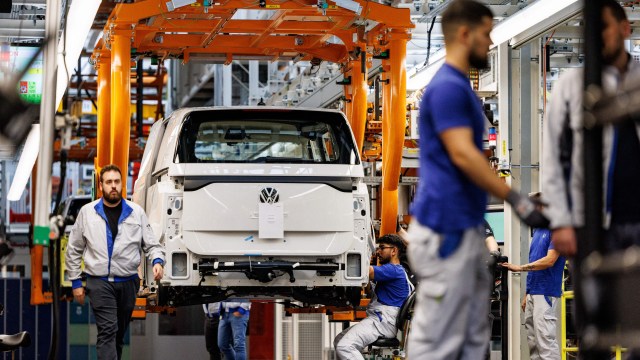
Mechanics assemble an ID. Buzz all-electric minivan at the Volkswagen plant in Hanover, Germany, in June 2022. (Axel Heimken/AFP via Getty Images)Mechanics assemble an ID. Buzz all-electric minivan at the Volkswagen plant in Hanover, Germany, in June 2022. (Axel Heimken/AFP via Getty Images)
Germans are most likely to say their democracy and the federal system of government (36%) make them proud. In fact, Germany stands out as one of only a few countries where the political system is the top source of national pride.
Relative to most other countries, Germans are proud of their economy (18%), praising its strength and stability. Many are also proud of the freedom they enjoy in their country (16%), like “freedom of expression” and the right to “move freely.” Some specifically mention the services provided by Germany (15%), including their social system, as something that makes them proud.
“The nature of democracy and the social market economy, inclusive community, health insurance, long-term care insurance, pension insurance, infrastructure and quality, German engineering.”
– Man, 35, Germany
“I am proud that democracy still works well in Germany. That Germany deals with its history responsibly, that there is an awareness of history in Germany, that Germany is a strong economic location. And what is still very important in Germany is the awareness of a diversity of cultures and other things.”
– Man, 67, Germany
“I think we have a strong economy. I think we are doing a lot right with the asylum policy, we have a very stable social health system, and also press freedom and freedom of expression.”
– Woman, 42, Germany
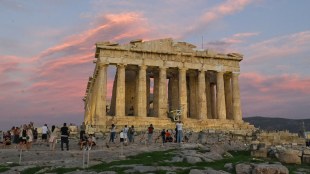
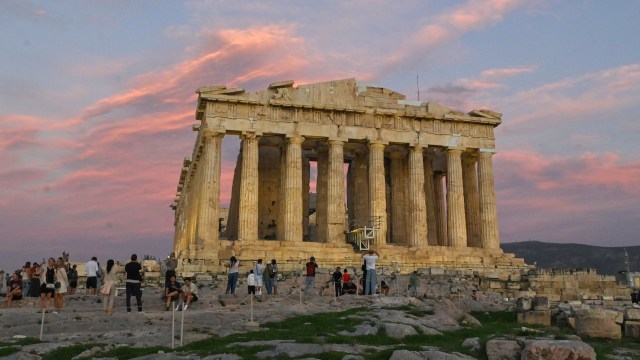
Tourists enjoy sunset outside the Parthenon at the Acropolis in Athens after scaffolding was removed in October 2025. (Milos Bicanski/Getty Images)Tourists enjoy sunset outside the Parthenon at the Acropolis in Athens after scaffolding was removed in October 2025. (Milos Bicanski/Getty Images)
Greeks are most proud of their history (37%), often boasting about their “ancient civilization” as well as “the wars of our ancestors,” including the Greek War of Independence and World War II. Indeed, Greece stands out as the country most likely to mention history as a source of pride.
Greeks are also proud of their people (31%), describing them as “hospitable and warm.” Many also express pride in those who participated in protests about the government’s handling of a tragic train crash (protests on the second anniversary of the crash were taking place during our survey).
Greeks are also fairly likely to name the geography and natural environment (15%) as a source of pride. While many mention the country’s national beauty and geographical location, some simply are proud of “the sun and the sea.” However, 19% are not proud at all or share some criticism of their country.
“The breadth and quality of the country’s history, the complexity of the people’s minds and the adaptability of the average Greek to adversity.”
– Man, 65, Greece
“The only thing I’m proud of is our ancient ancestors. The modern Greeks have achieved nothing.”
– Woman, 60, Greece
“Mainly about the quality of the Greeks, in the sense of character and ancient civilization. Everywhere I have been, everyone recognizes our civilization and the Greek culture.”
– Woman, 50, Greece
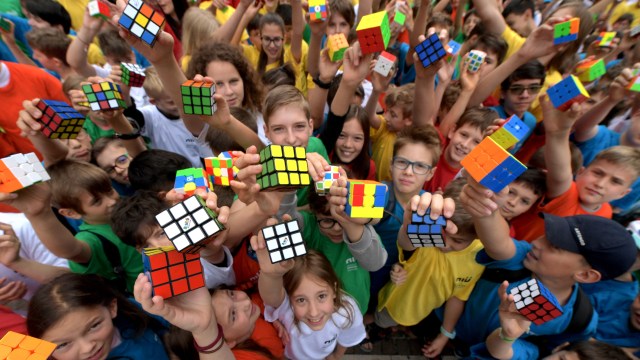
Hungarian children hold up Rubik’s Cubes during a flash mob celebrating the 50th anniversary of Hungarian architect Erno Rubik’s invention, in Budapest on June 12, 2024. (Ferenc Isza/AFP via Getty Images)Hungarian children hold up Rubik’s Cubes during a flash mob celebrating the 50th anniversary of Hungarian architect Erno Rubik’s invention, in Budapest on June 12, 2024. (Ferenc Isza/AFP via Getty Images)
Hungarians are proud of their history (21%) and people (20%). Still, they are equally likely to say they are not proud of Hungary (23%) and share their reasons for that when asked what makes them proud. Hungary stands out as one of only a few countries where negative responses are as common as the most popular sources of pride.
Hungarians are also among the most likely of the countries surveyed to emphasize their current leadership (13%) as a source of pride. People mention Prime Minister Viktor Orban’s economic policies, saying he “supports young people and pensioners alike,” while others reference his strongman stance within the European Union and his policies against immigration.
Notably, pride in current leadership is clustered among those who identify with parties in Orban’s coalition, relative to those who do not (33% vs. 3%). And negative responses are much more common among nonsupporters than supporters (30% vs. 8%).
The country’s history of innovation is also a source of pride for Hungarians (11%), much more than most other countries. Several respondents highlight the country’s “many Nobel Prize winners,” especially given its size, as well as “world-famous scientists” and inventions such as the Rubik’s Cube.
“I am proud of the leader of Hungary, who stands up for Hungary, for Hungarian people, for the economy in every way. I’m proud of the Nobel Prize winners, athletes, sports facilities and the investments that are paving the way for the future. Of maintaining good relations with neighboring countries.”
– Man, 72, Hungary
“I’m proud of the country because I was born here, my parents lived here, they brought me up well, they taught me to work, and the nature is very beautiful in the country; there are nice people, but more and more people are becoming bitter, who see their life as hopeless because of their situation and therefore prefer to leave our country. There are people in my family who have had to go abroad to survive, to get on in life.”
– Woman, 62, Hungary
“A thousand-year-old Christian nation. In my opinion, with a stable sense of identity. It has a lot of inventors, scientists and very highly educated people. And last but not least, Olympic athletes, sportsmen and women.”
– Man, 36, Hungary
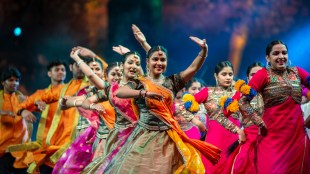
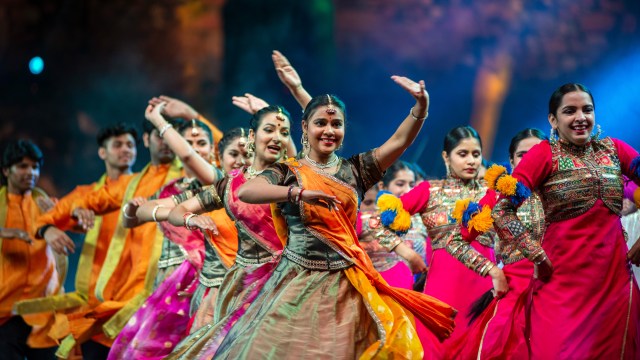
Kathak dancers perform in New Delhi in February 2022 for a celebration of India’s 75 years of independence. (Pradeep Gaur/SOPA Images/LightRocket via Getty Images)Kathak dancers perform in New Delhi in February 2022 for a celebration of India’s 75 years of independence. (Pradeep Gaur/SOPA Images/LightRocket via Getty Images)
Indians are proud of their country’s political system (8%) and the economy (8%), as well as their country’s current leadership (6%), with some specifically mentioning Prime Minister Narendra Modi and the Bharatiya Janata Party (BJP). Many also highlight India’s “good economic development” as a point of pride. People are also proud of India being an agricultural country and a “land of villages.”
Indians also emphasize their pride in the Indian people (10%), the country’s arts and culture (8%), their own Indian heritage (7%), the lifestyle in the country (6%) and the country’s diversity and multiculturalism (5%). Respondents point to how “people from different communities live together in harmony” – often with direct mentions of this, including people of different religions, castes and languages coexisting.
“The government is good, the BJP government is good. [They are doing the right thing], giving employment, providing electricity and water 24 hours a day …. [There is] money for farmers coming directly to the bank under digital India.”
– Man, 35, India
“India is our country, it is a strong country. All castes have equal rights to express their views, there is democracy, political parties participate in all the festivals of the country.”
– Man, 24, India
“Our India is a golden bird, which we are very proud of, and it is also an agricultural country, which we are very proud of.”
– Woman, 50, India
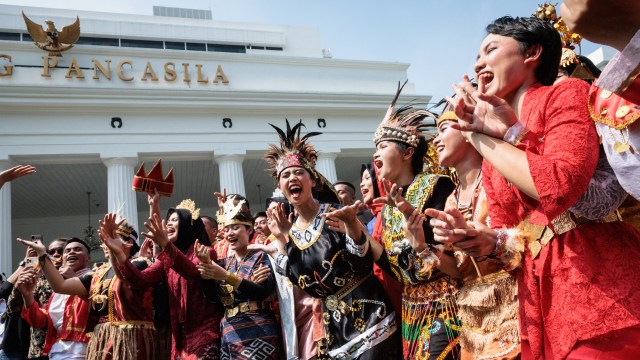
Performers celebrate Pancasila Day, a holiday honoring Indonesia’s national identity and unity, in Jakarta on June 2, 2025. (Yasuyoshi Chiba/AFP via Getty Images)Performers celebrate Pancasila Day, a holiday honoring Indonesia’s national identity and unity, in Jakarta on June 2, 2025. (Yasuyoshi Chiba/AFP via Getty Images)
Indonesians are most proud of their country’s diversity and multiculturalism (30%), and Indonesia is one of just a few surveyed countries where this is a top source of pride. People highlight the various tribes, local languages, races and religions that characterize Indonesia. This extends to the “abundance” of arts and the cultural diversity that makes 15% of Indonesians proud. They also share pride in the Indonesian people (21%), including how they live in harmony.
Indonesians are also proud of their natural resources (14%), more so than in most other countries surveyed. They emphasize the abundance of “fertile land” for agriculture, spices and palm oil, among other natural resources. The economy – especially its recent and ongoing development – is another common source of pride for Indonesians (17%).
“Indonesia has a lot of diversity, cultural diversity. It has many agricultural products from various regions such as cloves, nutmeg, cinnamon and palm oil.”
– Woman, 18, Indonesia
“A country rich in interesting islands for tourist destinations but still lacking in management. Indonesian people are friendly. Food in each region is different and has many varieties. Food that is rich in spices … for example rendang, semur, yellow rice and even jengkol.”
– Woman 32, Indonesia
“The citizens are very good, friendly, do not hurt each other. The family system is very good, helping each other. Tolerance is very high. A very strong family system, good natural resources.”
– Woman, 34, Indonesia
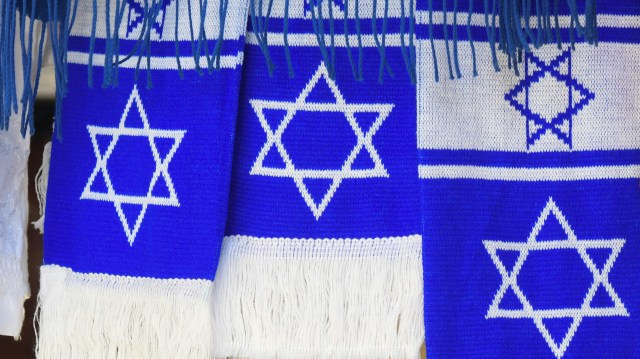
Knit scarfs bearing the Star of David and Israel’s national colors for sale in Jerusalem’s Old City in 2020. (Artur Widak/NurPhoto via Getty Images)Knit scarfs bearing the Star of David and Israel’s national colors for sale in Jerusalem’s Old City in 2020. (Artur Widak/NurPhoto via Getty Images)
Israelis are proud of their people (24%), as well as the religious nature of their state (20%). Religion comes up as a source of national pride in Israel more than in any other country surveyed, with many mentions of “the chosen people” and references to Israel as “the Holy Land” or “the promised land of the Jewish people.”
Israelis are also among the most likely to say they are proud of their country’s military (13%) and innovations (9%). They frequently mention the Israel Defense Forces (IDF), their country’s “brave warriors” or specific military actions in its most recent conflicts. Israelis also point to their country’s high-tech industry and advancements in military technology, as well as scientists and Nobel Prize winners from Israel, as sources of national pride.
“The Jewish national home serves as a spiritual pride, elevation and light for the whole world with an exemplary army.”
– Man, 69, Israel
“We are the chosen people and see that Israel is number one in developments and inventions.”
– Woman, 20, Israel
“The mobilization of the Jewish people at this time when there is a major immigration of Jews to the land of Israel. This shows the moral and ethical strength of the Jewish people in the world.”
– Woman, 63, Israel
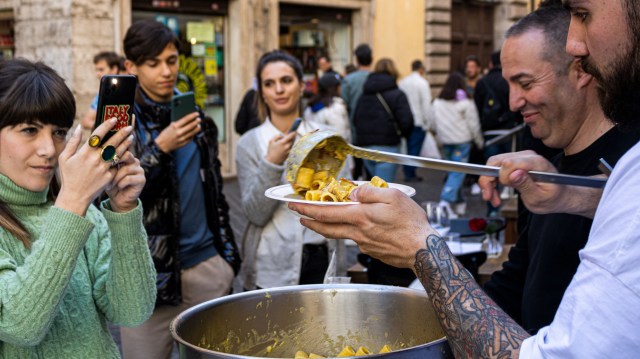
Online influencer Matteo Di Cola dishes up free plates of pasta alla carbonara on April 6, 2023, in Rome as part of National Carbonara Day. (Stringer/AFP via Getty Images)Online influencer Matteo Di Cola dishes up free plates of pasta alla carbonara on April 6, 2023, in Rome as part of National Carbonara Day. (Stringer/AFP via Getty Images)
Italians are particularly proud of their arts and culture (38%). They mention “beautiful architecture” as well as the legacy of the Renaissance and their “artistic heritage.” They are also proud of their history (18%), calling Italy an “ancient country” and expressing their admiration for figures like Leonardo da Vinci and Galileo.
Italians are also among the most likely to say they are proud of their country’s food (18%), with one naming “tortellini, Parmigiano-Reggiano, Chianti wine and humble people.”
Many Italians express pride in their geography (24%) and praise the variety of Italian landscapes, “from the spectacular Alps to the wonderful sea.” A similar share (23%) are proud of their fellow Italians.
“What makes me proud is ancient art, beautiful architecture, music, painting, and general cultural goods and climate.”
– Man, 77, Italy
“Being Italian. We are great workers, cultural history, important sociopolitical history. Welcoming and humble people.”
– Woman, 56, Italy
“Our ability to solve problems with few resources, our style, the made-in-Italy, our food industry, our wines, in general our ideas … even the metal mechanics industry. … The fact is we have brands such as Ferrari.”
– Man, 61, Italy
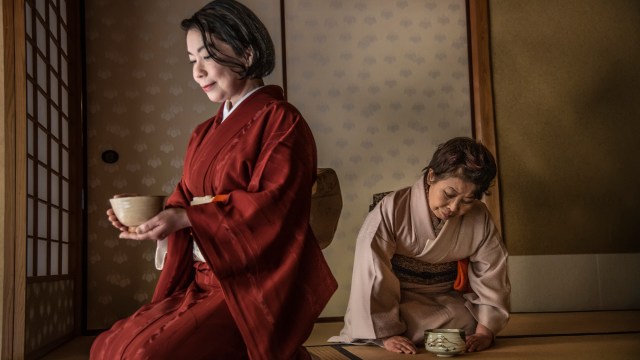
Women participate in a traditional Japanese tea ceremony at Daishoin Temple on the island of Miyajima. (Karen Kasmauski/Design Pics Editorial/Universal Images Group via Getty Images)Women participate in a traditional Japanese tea ceremony at Daishoin Temple on the island of Miyajima. (Karen Kasmauski/Design Pics Editorial/Universal Images Group via Getty Images)
In Japan, people are most proud of the Japanese people themselves (41%). They cite people as a source of pride more than any other country surveyed, often focusing on how Japanese people are “serious,” “hardworking,” “respectful,” “modest” and “sincere,” among other positive attributes. People also emphasize the dexterity and ingenuity of the people, as well as “the traditional craft culture of artisans.” Pride in the arts and culture of Japan is relatively common (15%).
Japanese adults also emphasize peace and safety (18%) as a source of pride more than people in most other countries. They are proud that Japan is “peaceful” and that they “renounce war,” both domestically and on the international stage.
“Low crime rate and good public safety. Good manners. Infrastructure is well maintained. The norms of daily life have been established through education. Caring for others and hospitality. Compared to other countries, economic disparity is low.”
– Woman, 71, Japan
“The traditional craftsmanship and technical manufacturing of Japan from long ago are wonderful. I am proud of the Japanese people’s sense of compassion and empathy toward others.”
– Woman, 55, Japan
“The Japanese people are hardworking. Their economy is doing well, and they are making efforts to provide assistance and support to the rest of the world.”
– Man, 86, Japan
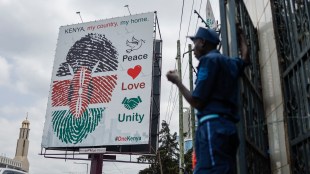
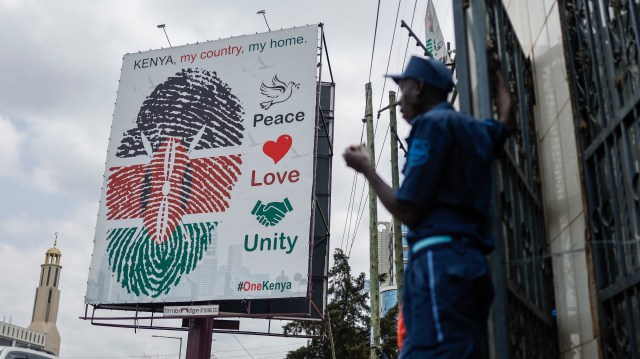
A billboard in Nairobi, Kenya, in August 2024. (Simon Maina/AFP via Getty Images)A billboard in Nairobi, Kenya, in August 2024. (Simon Maina/AFP via Getty Images)
Peace and safety is one of the things that makes Kenyans most proud of their country (26%). They say Kenya has little conflict, particularly compared with other countries, and regularly mention “peace and love” or how “peaceful” Kenya is as things that make them proud. Kenya stands out as one of two countries where peace and safety is among the top sources of pride.
Kenyans are also relatively proud of simply being born in Kenya or being Kenyan (24%). Some also highlight the country’s freedom (15%) and the economy (14%) as sources of pride, and few mention anything negative.
“Living in Kenya, you live freely. There are other countries that have conflicts, but in Kenya there is none. You have freedom to move anywhere. There is no fraud.”
– Man, 52, Kenya
“Kenya is a peaceful country and Kenya has good infrastructure. Kenya attracts tourists from foreign countries.”
– Man, 27, Kenya
“In my country I have freedom for everything. Freedom to worship, freedom to do business and freedom to study…. Peace is OK.”
– Woman, 62, Kenya
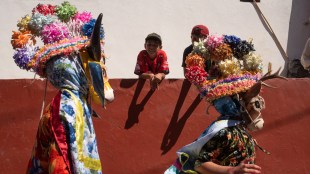
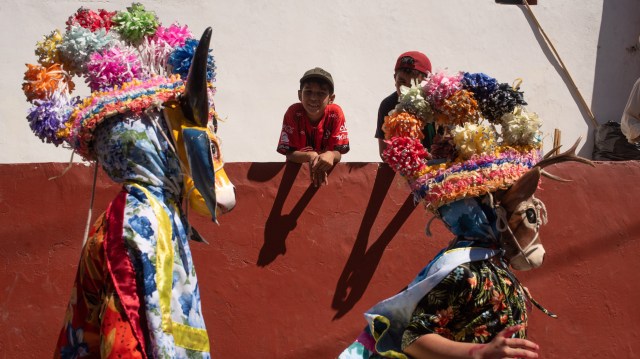
Women wear traditional costumes during the Afro-Mestizo Carnival in the Mexican town of Alto Tio Diego on Feb. 11, 2024. (Hector Quintanar/Getty Images)Women wear traditional costumes during the Afro-Mestizo Carnival in the Mexican town of Alto Tio Diego on Feb. 11, 2024. (Hector Quintanar/Getty Images)
Mexicans are proud of their country’s arts and culture (30%) – emphasizing their “customs and traditions” more than many other countries surveyed. They are also among the countries most likely to mention pride in their food and cuisine (15%).
Mexicans are also particularly proud of the Mexican people (28%). Many are also proud to have been born in Mexico (22%), describing their Mexican “roots” and heritage.
Mexicans are also among the most likely to mention their current leadership as a source of pride (11%). Many mention both the current president, Claudia Sheinbaum, as well as former President Andrés Manuel López Obrador, both of the left-leaning Morena party.
“Very much its culture. The people, how we are with everyone, because we are very empathetic. The food. That we support each other, for example, if a tire went flat in the street. We support each other.”
– Man, 23, Mexico
“We are a country with a lot of freedom, with a culture, roots, tradition and a very united people.”
– Man, 55, Mexico
“Culture. In general, that we have a lot of diversity, both cultural and biodiversity, Mexican cuisine, the way we are the society in general.”
– Woman, 33, Mexico
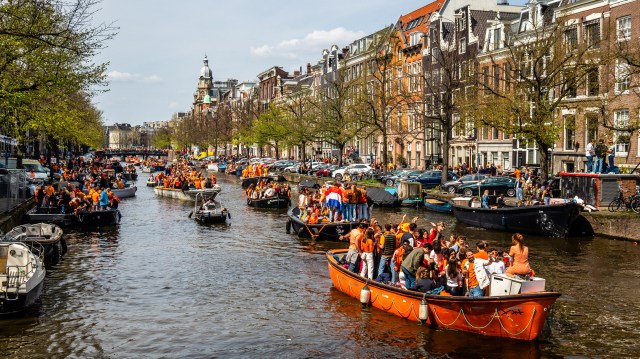
People celebrate on boats sailing along Amsterdam’s canals for King’s Day on April 27, 2023. (Ana Fernandez/SOPA Images/LightRocket via Getty Images)People celebrate on boats sailing along Amsterdam’s canals for King’s Day on April 27, 2023. (Ana Fernandez/SOPA Images/LightRocket via Getty Images)
Dutch people are particularly proud of the freedoms they enjoy (24%), their economy (21%) and their political system (21%). Many point out that despite its small size, the Netherlands is “functioning well” economically and politically. They also praise its “large degree of freedom of speech.” The Netherlands is one of only a few countries where freedom and the economy are top sources of national pride.
The Dutch are also among the most likely to say they are proud of their country’s infrastructure – often marveling at their roads and management of the Dutch waterways.
“[The] Netherlands [is] doing well economically, democracy is functioning well and we let one another be free. Good trade spirit. Good that Dutch people donate to good causes. They are technically and structurally strong when it comes to water. They excel in sports.”
– Woman, 70, Netherlands
“Everything is pretty well organized in a small country. Most people can apply for benefits, good roads and well maintained.”
– Man, 18, Netherlands
“Our diversity; I think that’s very important. We have our affairs in order. We have rules that ensure that society runs smoothly. We are a democratic country with a multiparty system. We have good health care and good education. We are a prosperous country. Freedom of speech is paramount here.”
– Woman, 58, Netherlands
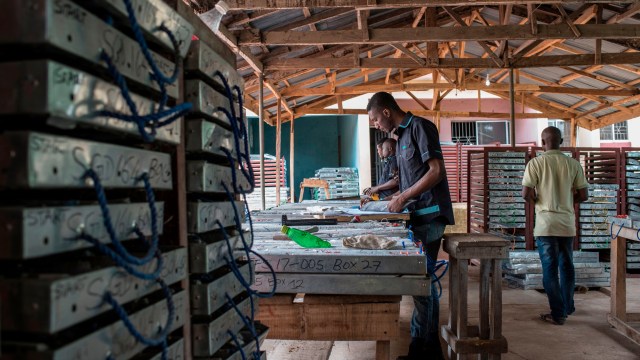
Geologists process samples from a mineral survey at the Segilola Gold Project, Nigeria’s first large-scale gold mine, in 2018. (Stefan Heunis/AFP via Getty Images)Geologists process samples from a mineral survey at the Segilola Gold Project, Nigeria’s first large-scale gold mine, in 2018. (Stefan Heunis/AFP via Getty Images)
Nigerians are quite proud of their country’s natural resources (21%) – mentioning this at a higher rate than people in any other country surveyed. Most focus on Nigerian “crude oil,” gas and minerals, and also praise the “fertile soil” for agriculture.
Nigerians are also among the most likely to mention something they are not proud of (25%). Many of these negative responses focus on “bad leaders” and the “bad economy.” Nigerians who support the governing All Progressives Congress party (APC) are about twice as likely to be proud of the economy than nonsupporters (14% vs. 7%), while those who do not support the APC are about twice as likely to mention something negative (29% vs. 13%).
“Nigeria is a rich land, endowed with a lot of resources. The problem is our leaders who mismanage the resources.”
– Man, 31, Nigeria
“We have wealth within the country, and we have more peace of mind and enjoyment of life than some other countries, even though our leaders do not care about the affairs of the poor.”
– Woman, 18, Nigeria
“It’s my country, my father’s land [and] the way we farm is easy. We have our rainy season on time and we can cultivate any crop on our land.”
– Man, 19, Nigeria
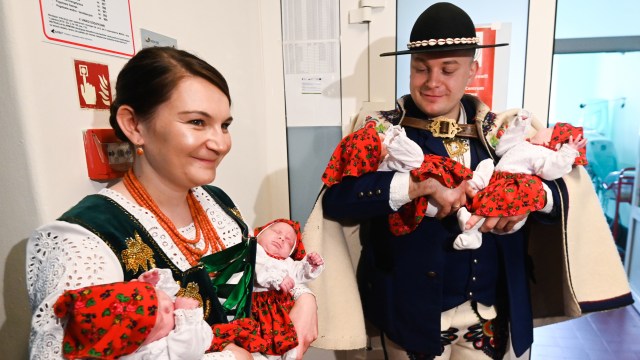
Parents of quadruplets pose with their children at University Hospital in Krakow, Poland, in April 2024. (Jakub Porzycki/Anadolu via Getty Images)Parents of quadruplets pose with their children at University Hospital in Krakow, Poland, in April 2024. (Jakub Porzycki/Anadolu via Getty Images)
Poles are proud of their heritage – being Polish, being born in Poland, or having Polish ancestry (21%). Many also mention the country’s history (20%), making Poland one of a few countries where history is a top source of pride. Some Poles specifically say they are proud of their “fight for independence” and democracy, with some even mentioning “emerging from communism.”
Poles are also proud of the people in their country (18%), praising their patriotism, diligence and hard work. One-in-ten are also proud of Poland’s role in international affairs (10%), highlighting the country’s support for Ukraine and membership in the EU and NATO.
“That I was born here, I live here, I have family here, my roots are here. I’m proud of how our ancestors fought.”
– Man, 44, Poland
“The fact that I am a Pole. Poland took part in various battles, and Poles were always the first and did not refuse to help.”
– Man, 79, Poland
“That despite its difficult history it regained its independence [and] joined the EU after the fall of communism.”
– Woman, 40, Poland
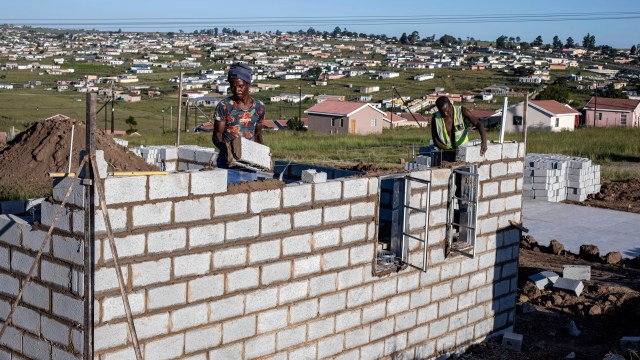
Construction workers build government-funded houses for low-income residents outside Mthatha, South Africa, in February 2024. (Per-Anders Pettersson/Getty Images)Construction workers build government-funded houses for low-income residents outside Mthatha, South Africa, in February 2024. (Per-Anders Pettersson/Getty Images)
South Africans are proud of their country’s services (24%), such as housing, “social grants,” police and pensions – and mention these more often than people in most other countries. Many are also proud of their “outstanding” education (13%), praising the fact that “children go to school for free.” The country’s freedoms (11%) are another source of pride, as is the economy (14%), specifically the fact that the government “gives out jobs.”
Still, South Africans quite often say they are not proud (19%). People who aren’t proud of South Africa often talk about economic struggles, namely the fact that even with government assistance, there is a “lack of employment.”
“It is a country that is well-suited for us. It fights for us. It builds schools for us. Children don’t pay school fees anymore. There are clinics and home affairs.”
– Woman, 71, South Africa
“It does not have apartheid, no one is discriminated. It helps older women and disabled children with grants, electricity and water without rates, health care for free, and rights.”
– Woman, 24, South Africa
“We have democracy. Things are better than during apartheid. [The] government helps us with social grants and jobs.”
– Man, 54, South Africa
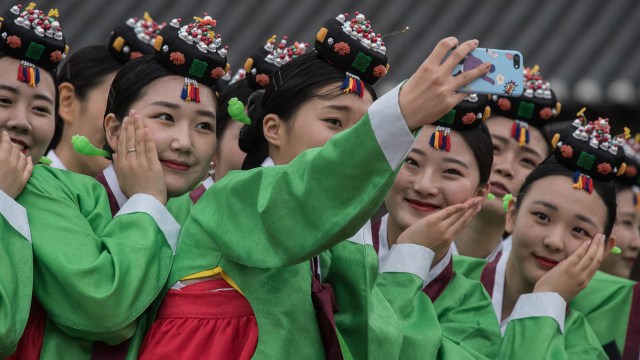
South Korean students pose for a selfie following a traditional coming-of-age ceremony in Seoul in 2017. (Ed Jones/AFP via Getty Images)South Korean students pose for a selfie following a traditional coming-of-age ceremony in Seoul in 2017. (Ed Jones/AFP via Getty Images)
South Koreans are most proud of the people in their country (28%). They praise the “strong national character” of the Korean people and the “diligent and sincere workforce.”
Some are proud of the country’s political system (15%) and its economy (13%), saying South Korea is “a country that has achieved democracy and economic development.” Others mention South Korean arts and culture (12%), also known as “K-culture,” which includes things like K-pop and the national alphabet (Hangul). Still, 15% list things they are not proud of or say they are not proud of anything.
South Korea stands out as one of the countries where people are most likely to mention a specific product or industry that makes them proud, often highlighting Samsung or semiconductors.
“The fact that we are a democratic country that has joined the ranks of advanced countries.”
– Man, 28, South Korea
“Although it is a small country, it exports Samsung’s electronics, steel, Hyundai’s automobiles, and nuclear power plants to the world.”
– Man, 47, South Korea
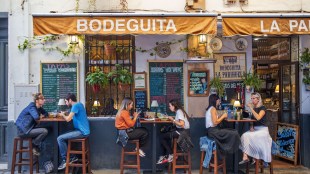
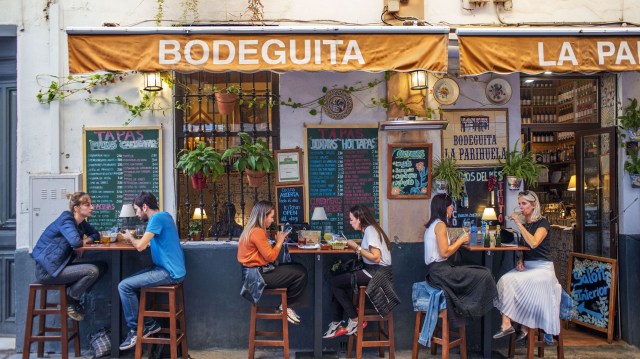
Locals enjoy food at a tapas bar in Seville, Spain. (Sergi Reboredo/VWPics/Universal Images Group via Getty Images)Locals enjoy food at a tapas bar in Seville, Spain. (Sergi Reboredo/VWPics/Universal Images Group via Getty Images)
Spaniards are most proud of the people of their country (32%). They mention the solidarity among the public, as well as how “hardworking” and “welcoming” people can be. They are also more likely to mention the lifestyle in their country as a point of pride (14%) and praise the “Spanish way of being” than people in nearly all other countries.
Spaniards also mention things they are not proud of fairly often (25%), highlighting dissatisfaction with politicians and the governance of the country. Pride in the country’s arts and culture (16%) as well as its “good climate” and geography (13%) is also fairly common.
“I am very proud of the way of life, the environment, the people, the society in general, the places we have to live, the environment, and the way of life we have in spite of the economic problems and the political management of the country.”
– Man, 55, Spain
“Well, everything but the government. I like its history, its culture, its sense of patriotism, and in general I like everything except those who govern it. I do not like the autonomous [regions], they should be abolished to reduce public spending.”
– Woman, 35, Spain
“The way of life, the pace of life, the way people work, the variety of characters, and how open and innovative people are.”
– Woman, 47, Spain
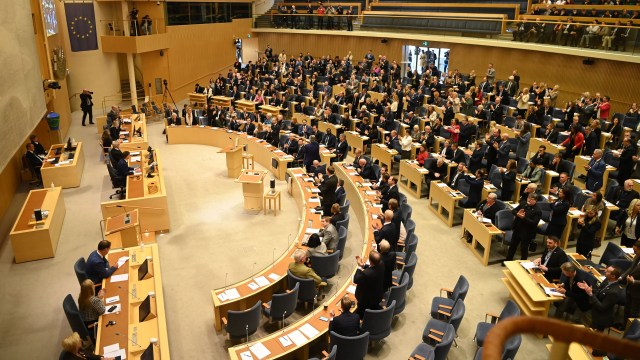
Lawmakers in Sweden’s Parliament applaud after electing Ulf Kristersson prime minister on Oct. 17, 2022. (Jonathan Nackstrand/AFP via Getty Images)Lawmakers in Sweden’s Parliament applaud after electing Ulf Kristersson prime minister on Oct. 17, 2022. (Jonathan Nackstrand/AFP via Getty Images)
Swedes are most proud of their country’s political system (53%) – which they cite more than any other country surveyed. They are proud that their democracy “works quite well,” with “transparent authorities” and “rule of law.” Many also mention governmentally provided services (25%), including their “well-developed welfare system” and “parental insurance.”
Swedes also highlight their freedoms (24%) as a source of pride, especially their “very strong freedom of speech.” And they mention health care (19%) and education (15%) – which they often note are “free” for everyone – much more than many other people.
Swedes also stand out for their relative emphasis on geography and the environment (32%) compared with other countries. While people mention the “beautiful nature” in the country, they also highlight their legal “right of public access” to nature and emphasize how “environmental issues are actively discussed and taken seriously” in Sweden.
“I am proud that we are a democracy with freedom of speech. We have an independent justice system. We have a good welfare system. We have good education for everyone. We have the right of public access. We have a good road network. We have good relations with our neighbors. We have environmentally friendly electricity production. In general we have a positive view of our fellow human beings. We trust each other. We have a competent military.”
– Man, 55, Sweden
“I think we have a stable democracy. We have beautiful nature. Good economy. Fair systems. Strong government institutions. Free health care. Free university education. We have transparent authorities. Swedes have confidence in the state.”
– Woman, 46, Sweden
“That Sweden is a free country and we have a functioning democracy. And we have very beautiful nature and very good food production. We have good health care, good schools, and the people are peaceful, and we have quite a few religious communities. People accept differences here. Everyone can be themselves here.”
– Man, 57, Sweden
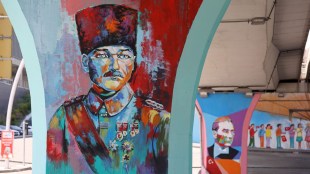
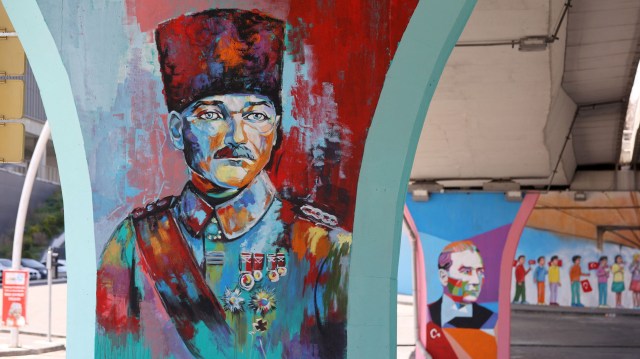
Murals depicting Mustafa Kemal Ataturk, founder of the Republic of Turkey, on pylons of a bridge in Ankara ahead of an upcoming youth and sport day in 2021. (Adem Altan/AFP via Getty Images)Murals depicting Mustafa Kemal Ataturk, founder of the Republic of Turkey, on pylons of a bridge in Ankara ahead of an upcoming youth and sport day in 2021. (Adem Altan/AFP via Getty Images)
Turks are most proud of their people (20%), with an emphasis on how Turks are “hospitable” and “patriotic.” Some express pride that Turks are “warriors.”
Turks are proud of their country’s history (12%), mentioning the Turkish War of Independence and historical leaders like Kemal Ataturk. They are also more likely to mention their “military power” (8%) as a source of pride than many in other countries, often emphasizing their “defense industry” and mentioning their drones.
“Being a nationalist people with a warrior spirit and at the same time having a compassionate army.”
– Woman, 26, Turkey
“As Ataturk said, ‘How happy is the one who says I am a Turk.’ This alone is enough to make one proud.”
– Man, 65, Turkey
“Hospitality, standing by the oppressed, unity and solidarity of the people.”
– Man, 30, Turkey
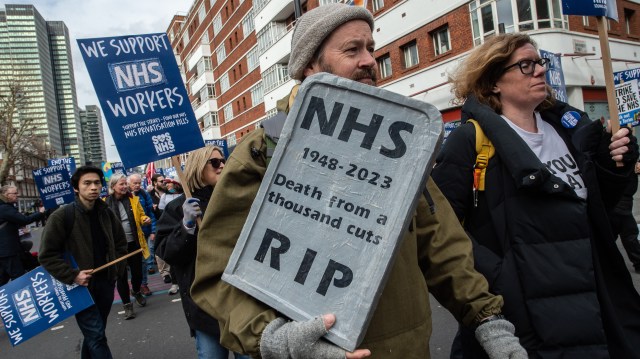
Protesters in London march to call for emergency funding for the National Health Service in March 2023. (Guy Smallman/Getty Images)Protesters in London march to call for emergency funding for the National Health Service in March 2023. (Guy Smallman/Getty Images)
People in the U.K. are proud of the “kind” and “honest” British people (25%), but they just as frequently mention things they are not proud of (29%). Some negative responses refer to specific issues, like “Brexit was a bad idea,” while others simply say there is “not much to feel proud [of] at the moment.” There are few countries where people mention things they are not proud of as frequently as the British.
Interestingly, while people who support the governing Labour Party are less likely to say something negative than those who do not support it, supporters and nonsupporters don’t differ on other sources of pride. This includes the political system (mentioned by 22% of Britons), diversity and multiculturalism (16%) and health care (12%), especially the “National Health Service.”
“I suppose it’s a bit questionable, but overall it’s a democratic country, religious tolerance [but] I’m not as proud of it as I used to be. It’s difficult. I’m not proud of my country because it seems to be falling apart.”
– Woman, 73, U.K.
“I am proud to be born and [bred] here. The British people … are willing to help others. I am proud of our democracy and how it works … we can have discussion with different parties without getting in a conflict. … We help other people both inside and outside of our borders.”
– Man, 67, U.K.
“The royal family. [And] that we have nature; forests and mountains. That’s it.”
– Woman, 18, U.K.
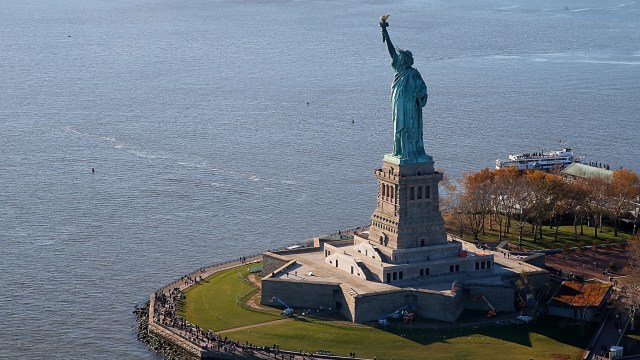
An aerial view of the Statue of Liberty in New York City in November 2021. (Dominik Bindl/Getty Images)An aerial view of the Statue of Liberty in New York City in November 2021. (Dominik Bindl/Getty Images)
Americans are particularly proud of the country’s “freedoms and liberties” (22%); the U.S. is one of a few countries surveyed in which this is the case. Interestingly, it is the only country surveyed in which there are significant partisan differences in pride in the country’s freedoms (32% of Republicans mention it, compared with 15% of Democrats).
When the topic of national pride comes up, the U.S. is one of several countries where something negative is a common response (20%). Once again, this is partisan (8% of Republicans vs. 32% of Democrats), though that is also the case in most other surveyed countries.
Other factors mentioned regularly include the American people (13%) and the economy (11%), with some emphasizing their pride in “the American dream” and having “plenty of opportunities.”
“I am proud that the United States has a commitment to individual liberty, freedom of religion and speech for its citizens. I’m proud of the opportunities available and the environment where big dreams are possible. I’m extremely proud of those who serve in the military.”
– Woman, 54, U.S.
“The diversity and land of opportunity. A country where anyone has the opportunity to succeed regardless of race or financial circumstances. The many freedoms Americans have.”
– Woman, 52, U.S.
“Greatest country on the planet. Large, wealthy and powerful. While many freedoms are eroding, we still have the most freedoms and most opportunities to advance. This is why foreigners want to be here.”