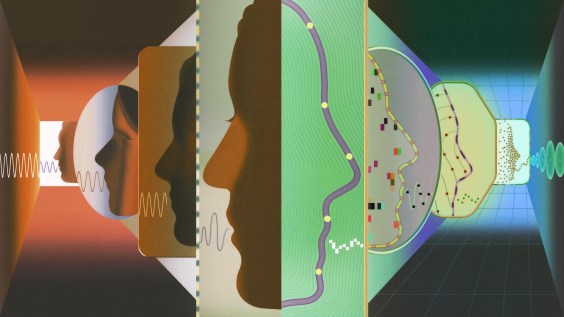
Can AI Stand In for Human Survey-Takers? Not Really
Synthetic surveys using digital twins do a poor job estimating the public mood and are especially error-prone for some subgroups, including Republicans and Black adults.
Numbers, Facts and Trends Shaping Your World
Read our research on:

Synthetic surveys using digital twins do a poor job estimating the public mood and are especially error-prone for some subgroups, including Republicans and Black adults.

The latest on survey methods, data science and more, delivered quarterly.
All
Publications
Blame “social desirability” bias.
Overview In the wake of leaked information about the government’s telephone and digital surveillance programs last month, public opinion surveys reported a wide range of reactions. For example, a Pew Research Center/Washington Post survey conducted immediately after the revelations found broad support for the program, while a Gallup survey conducted just days later found more […]
While survey research in the United States is a year-round undertaking, the public’s focus on polling is never more intense than during the run-up to a presidential election.
Pew Research Center conducted a study to compare the accuracy of six online surveys of U.S. adults – three from probability-based panels and three from opt-in sources. On average, the absolute error on opt-in samples was about twice that of probability-based panels.
Members of the American Trends Panel can now take our surveys online or over the phone with an interviewer.
A new study found that 61% of national pollsters used different methods in 2022 than in 2016. And last year, 17% of pollsters used multiple methods to sample or interview people – up from 2% in 2016.


