Teens largely turn to TikTok, Instagram and Snapchat for fun and connection. But experiences around messaging, screen time and cyberbullying vary. And what teens say about how these sites impact their mental health.

As far back as 2004, Pew Research Center wrote that local news on the radio “appears to have seriously eroded in recent years” with a growing number of stations that “are not local at all.” Then in 2006 we wrote, “Technology is turning what we once thought of as radio into something broader – listening,” and raised the question of what that would mean for radio news. Now, heading into 2013, those two shifts have come together to create a very different audio landscape—one in which news is relegated to a smaller corner of the listening landscape.
It’s a question that librarians, booksellers, and others have heard often, perhaps even more so at a time when the output and availability of the written word has never been higher. And it’s a question that new book-recommendation sites such as Bookish and BookScout are trying to answer, joining a plethora of communities and services already trying to navigate the tricky task of helping you decide which book to pick up next.
Pew Research Center’s Amanda Lenhart and Lee Rainie took questions from readers about our “Teens and Tech” report in a Facebook chat conducted March 14, 2013.
Pew Internet Director Lee Rainie led a talk during a webinar in which financial analysts and journalists discussed: “Facebook Fatigue: Fact or Fiction?”
Smartphone adoption among teens has increased substantially and mobile access to the internet is pervasive. One in four teens are “cell-mostly†internet users, who say they mostly go online using their phone.
Overview Latinos own smartphones, go online from a mobile device and use social networking sites at similar—and sometimes higher—rates than do other groups of Americans, according to a new analysis of three surveys by the Pew Research Center. The analysis also finds that when it comes to using the internet,[1. Internet users are those who […]
Mary discussed the Pew Internet Project’s latest research on Americans’ use of social media, including how different demographic groups use various platforms.
The reaction on Twitter to major political events and policy decisions often differs a great deal from public opinion as measured by surveys. This is the conclusion of a year-long Pew Research Center study that compared the results of national polls to the tone of tweets in response to eight major news events, including the […]
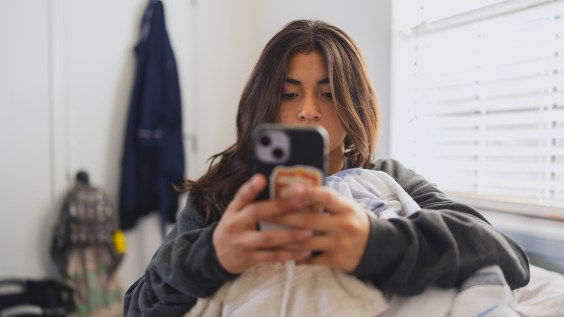
Most teens at least sometimes feel happy and peaceful when they don’t have their phone, but 44% say this makes them anxious. Half of parents say they have looked through their teen’s phone.
Most U.S. adults today say they use the internet (95%), have a smartphone (90%) or subscribe to high-speed internet at home (80%). About four-in-ten report being online almost constantly.