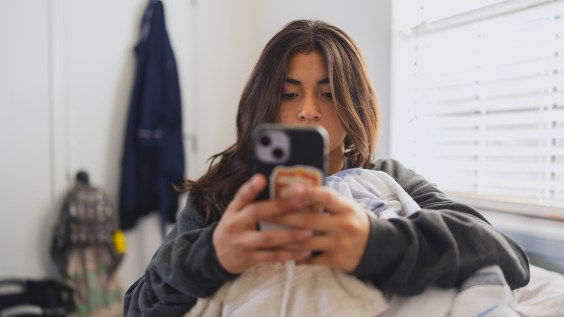
Teens largely turn to TikTok, Instagram and Snapchat for fun and connection. But experiences around messaging, screen time and cyberbullying vary. And what teens say about how these sites impact their mental health.

This report examines how institutions in five cities (Austin, Texas; Cleveland, Ohio; Nashville, Tennessee; Portland, Oregon and Washington, D.C.) are adapting to the Internet as an economic development and community-building tool. The experiences in these communities suggests that the Internet is best used to encourage bottom-up initiatives, encourage and nurture catalytic individuals in communities, encourage public funding for technology programs, encourage “bridging” among groups, and encourage experimentation.
65 million Americans have sought health care information on the Internet Most online health activities are not covered by HIPAA WASHINGTON-Path-breaking new federal rules designed to protect the medical privacy of Americans will not guard the privacy of Internet users when they are doing the most common e-health actions online. The Health Insurance Portability and […]
In some of the most emotionally wrenching times of their lives, millions of dying and bereaved Americans are receiving great comfort from total strangers online.
The most significant development online after the attack has been the outpouring of grief, prayerful communication, information dissemination through email, and political commentary.
This paper looks at five U.S. cities (Austin, Cleveland, Nashville, Portland, and Washington, DC) and explores strategies being employed by community activists and local governments to create and sustain community networking projects.
The Internet was not a primary resource for news for most Americans after the terror attacks, but was a helpful supplement to TV and the telephone; many found it useful for expressing their sorrow and anger.
While 56% of all Americans go online, only 15% of Americans over the age of 65 have access to the Internet. Wealthy and educated seniors are most likely to go online. They are enthusiastic Internet users who love email and use the Web to gather all …
Most teens at least sometimes feel happy and peaceful when they don’t have their phone, but 44% say this makes them anxious. Half of parents say they have looked through their teen’s phone.
Most U.S. adults today say they use the internet (95%), have a smartphone (90%) or subscribe to high-speed internet at home (80%). About four-in-ten report being online almost constantly.