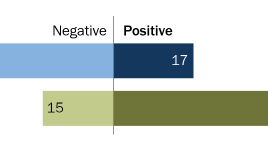
Just over half of U.S. teens say they’ve used chatbots for help with schoolwork, and 12% say they’ve gotten emotional support from these tools. Teens tend to view AI’s future impact on their lives more positively than negatively.
As Americans gain experience online, they use the Internet more for their jobs, to make more online purchases and carry out other financial transactions, and to write emails with more significant and intimate content.
Online Holiday shopping grew this season from the previous, though Internet users also increasingly use the Internet during the holiday season to search for information on travel, holiday crafts, recipes and traditions.
One in four Internet users has gotten religious or spiritual information online at one point or another. The September 11 terror attacks compelled millions of Internet users to turn to religious issues and concerns online. The most popular online religious activities are solitary ones, such as hunting for general spiritual information online.
Asian Americans who speak English are more experienced and more active Internet users than whites, Hispanics, and African-Americans. Asian-Americans are the heaviest daily users of the Internet, and are the most likely to have fully integrated the Web into their daily lives.
This report examines how institutions in five cities (Austin, Texas; Cleveland, Ohio; Nashville, Tennessee; Portland, Oregon and Washington, D.C.) are adapting to the Internet as an economic development and community-building tool. The experiences in these communities suggests that the Internet is best used to encourage bottom-up initiatives, encourage and nurture catalytic individuals in communities, encourage public funding for technology programs, encourage “bridging” among groups, and encourage experimentation.
65 million Americans have sought health care information on the Internet Most online health activities are not covered by HIPAA WASHINGTON-Path-breaking new federal rules designed to protect the medical privacy of Americans will not guard the privacy of Internet users when they are doing the most common e-health actions online. The Health Insurance Portability and […]
In some of the most emotionally wrenching times of their lives, millions of dying and bereaved Americans are receiving great comfort from total strangers online.
Most teens at least sometimes feel happy and peaceful when they don’t have their phone, but 44% say this makes them anxious. Half of parents say they have looked through their teen’s phone.
Most U.S. adults today say they use the internet (95%), have a smartphone (90%) or subscribe to high-speed internet at home (80%). About four-in-ten report being online almost constantly.