
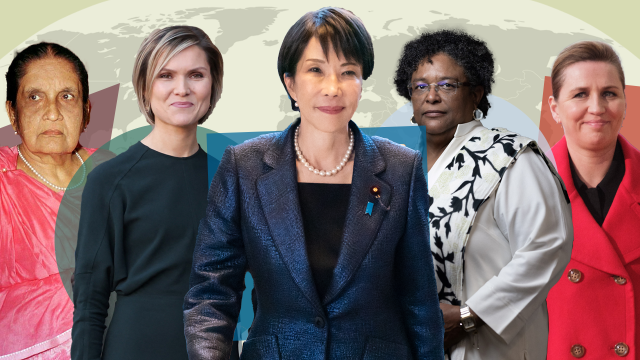
Women are currently the head of government in 13 of the 193 member countries of the United Nations. These include Barbados, where Mia Mottley was just reelected as prime minster, and Japan, where Sanae Takaichi secured her position as prime minister in the country’s last parliamentary elections.
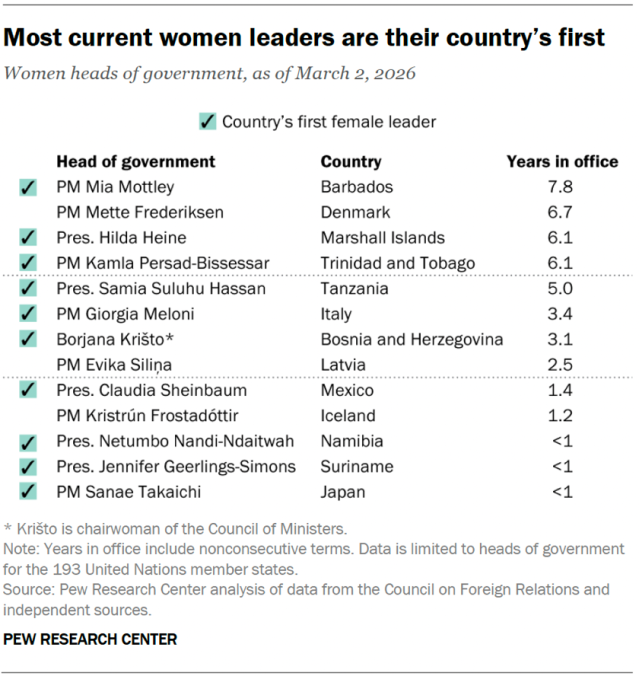
Takaichi is Japan’s first female prime minister. This makes her one of 10 women who are currently their country’s first female head of government, according to a Pew Research Center analysis.
Other current women leaders have had other women serve before them. For example, Kristrún Frostadóttir became Iceland’s third woman prime minister in 2024.
Related: Would electing more officials from different backgrounds improve policy?
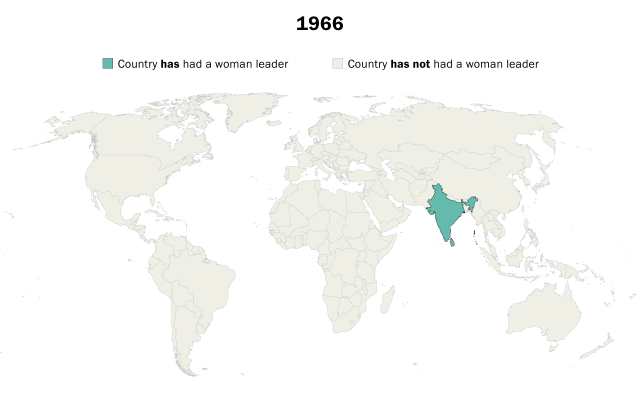
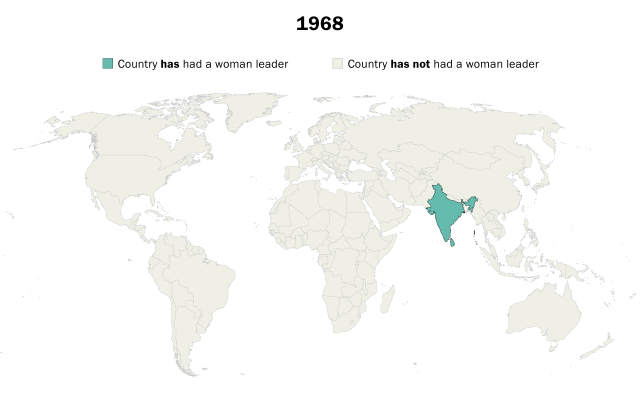
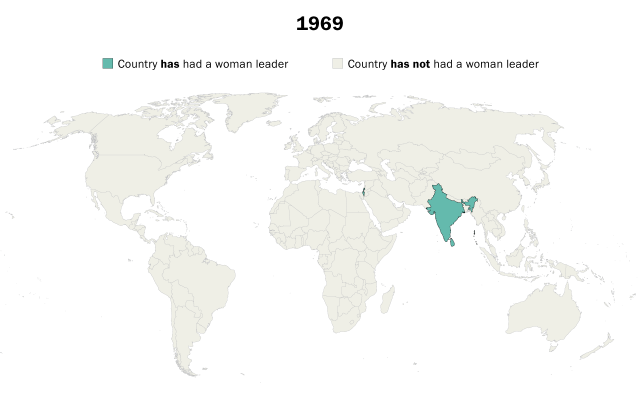
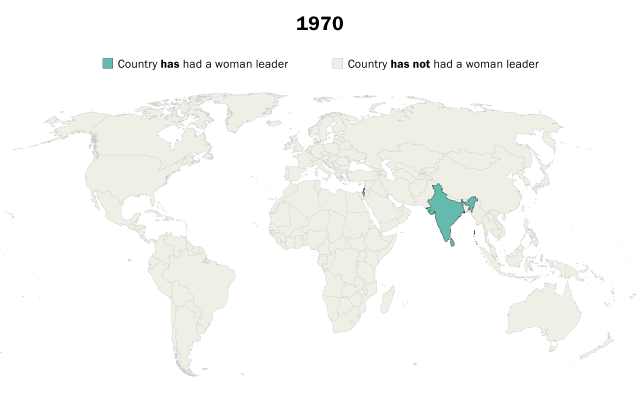
Of the 193 UN member countries, 63 have ever had a woman leader. The first was Sri Lanka, then called Ceylon, where Sirimavo Bandaranaike began her first term as prime minister in 1960. Within the next decade, India and Israel also saw their first women leaders.
Worldwide, the number of countries that have had women leaders has risen steadily since 1990. The biggest single-year increase occurred in 2010, when women led for the first time in five countries: Australia, Costa Rica, Kyrgyzstan, Slovakia, and Trinidad and Tobago.
In 2025, women became the head of government for the first time in Japan, Namibia and Suriname.
Prime Minister Mia Mottley of Barbados is the longest-serving woman currently in office, with a tenure of almost eight years.
63 UN member countries have ever had a woman leader
Year each country’s first woman head of government took office
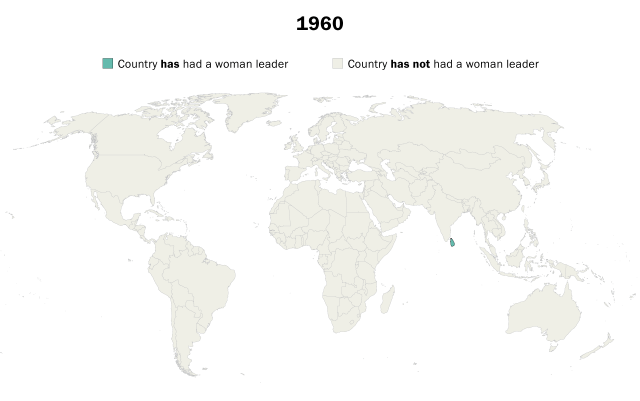
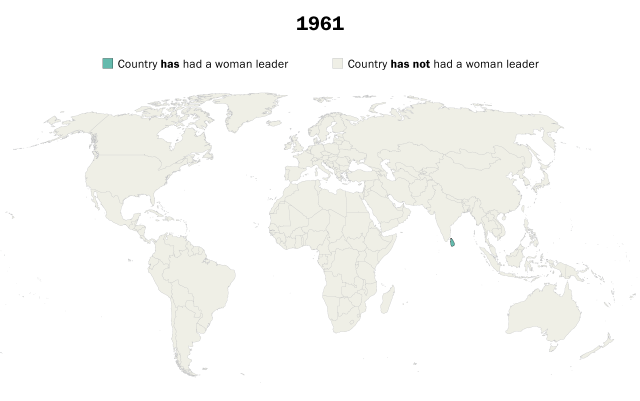
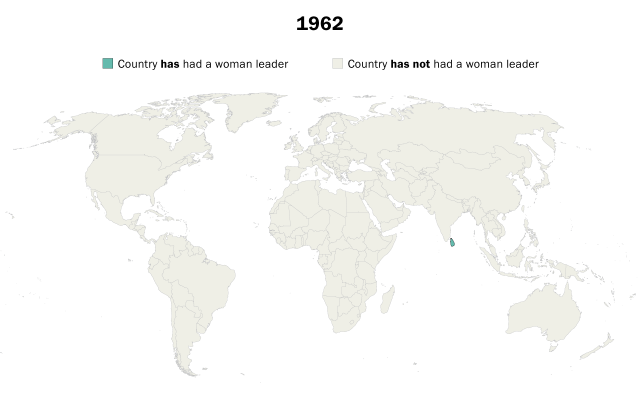
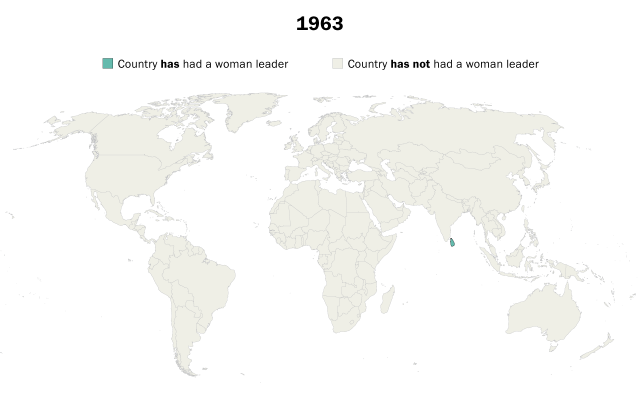
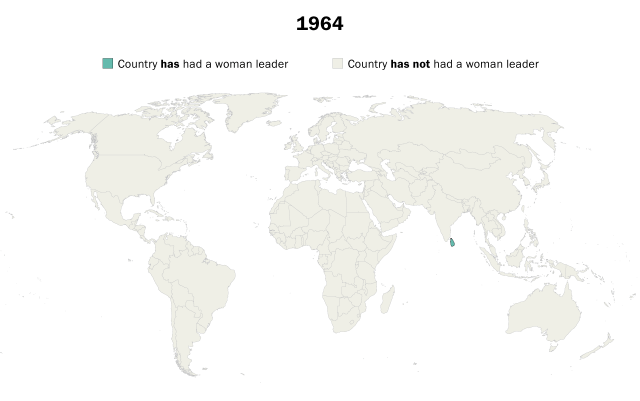
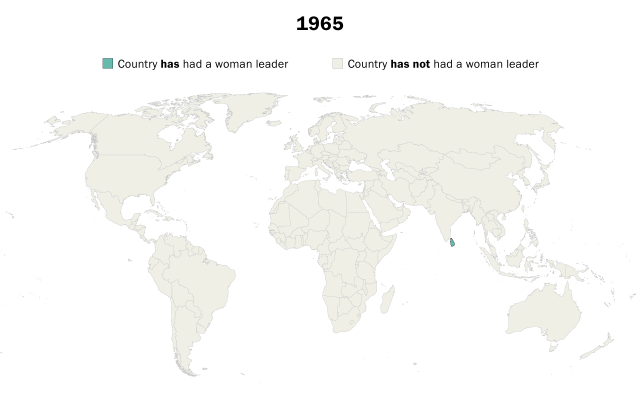

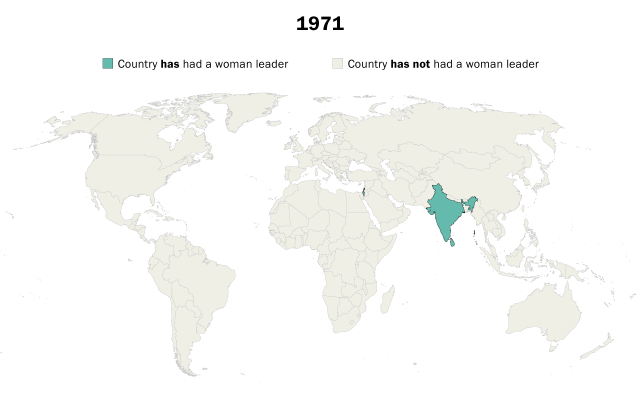
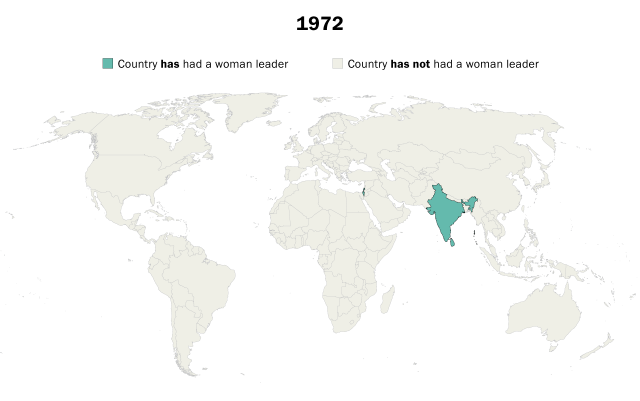
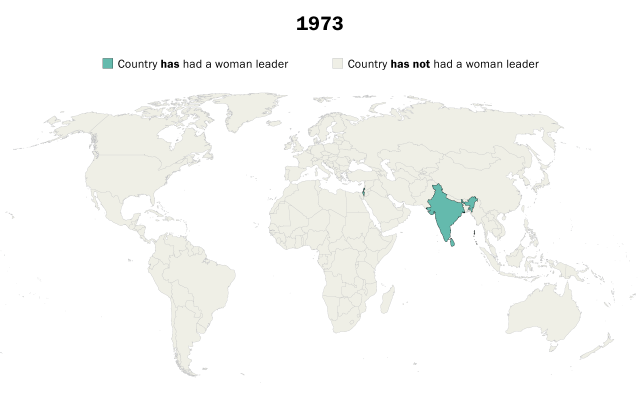
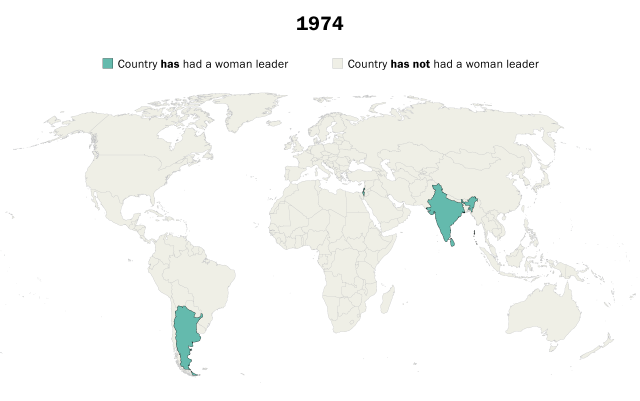
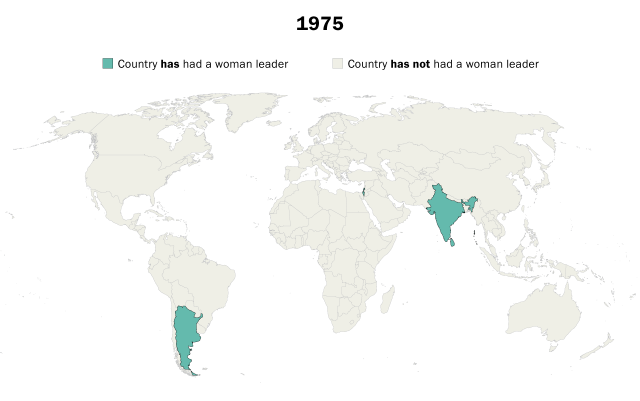

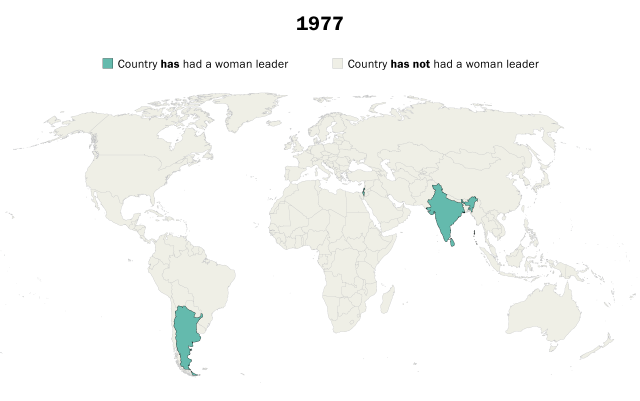
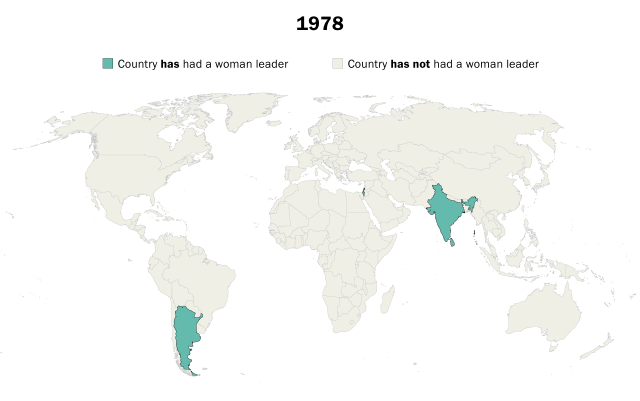
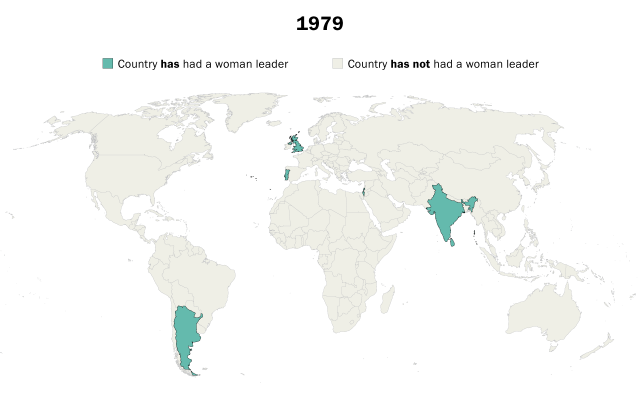
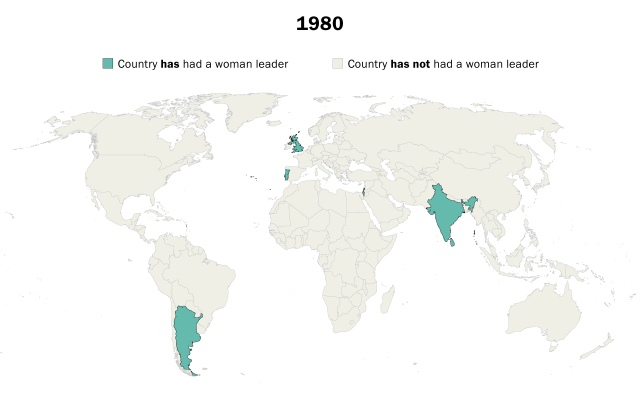

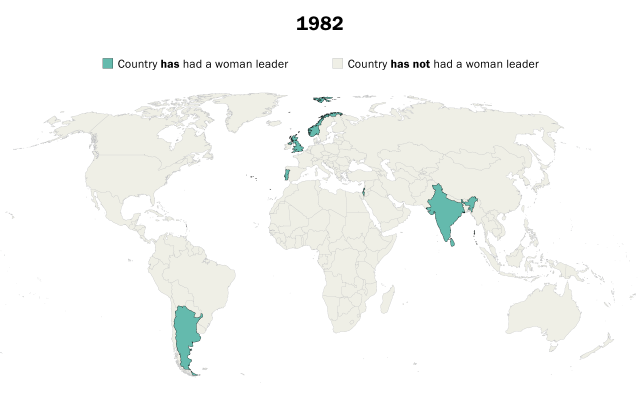
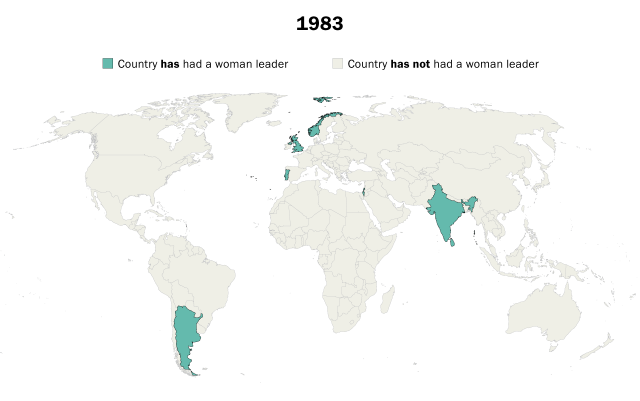
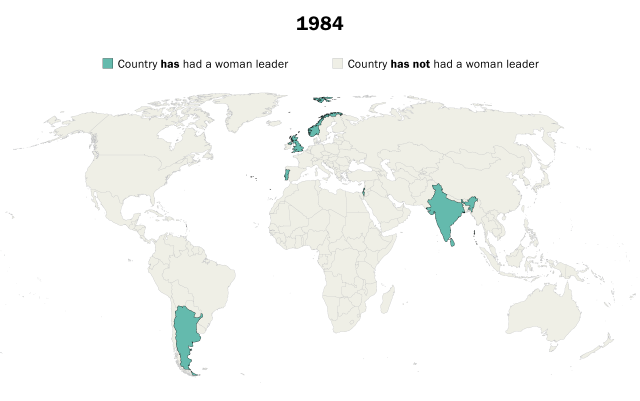
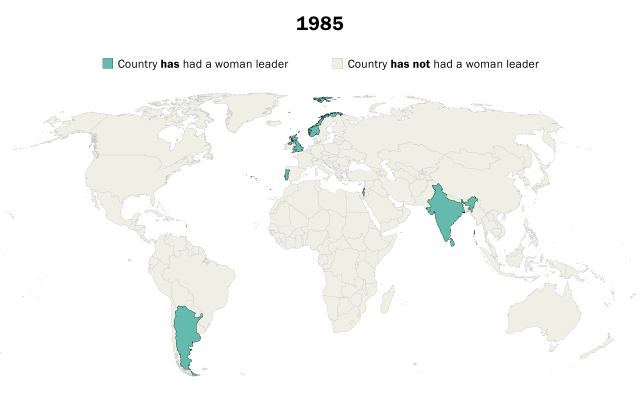
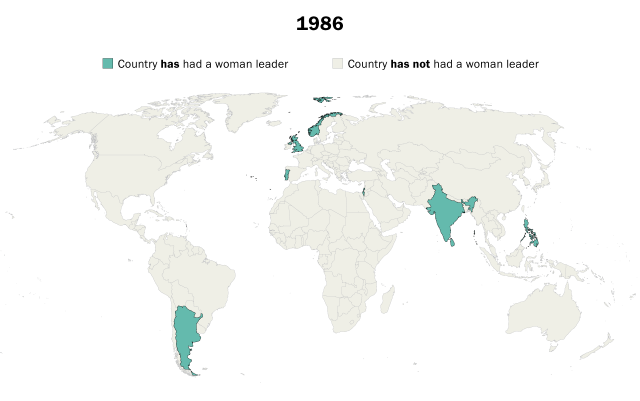
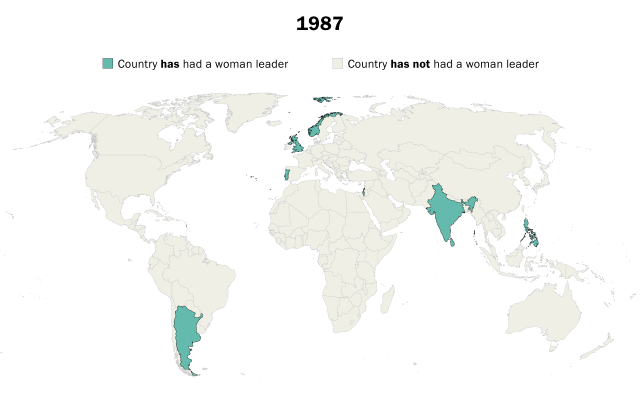
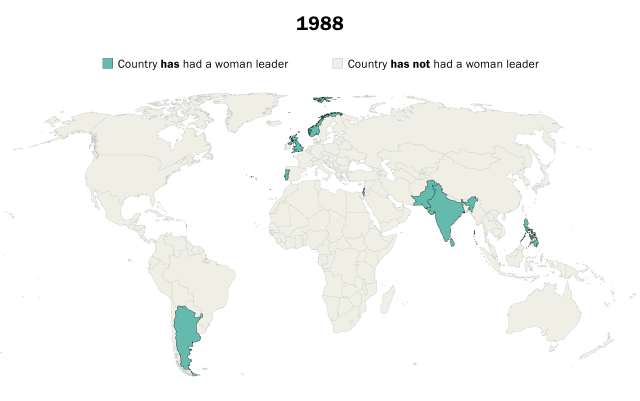
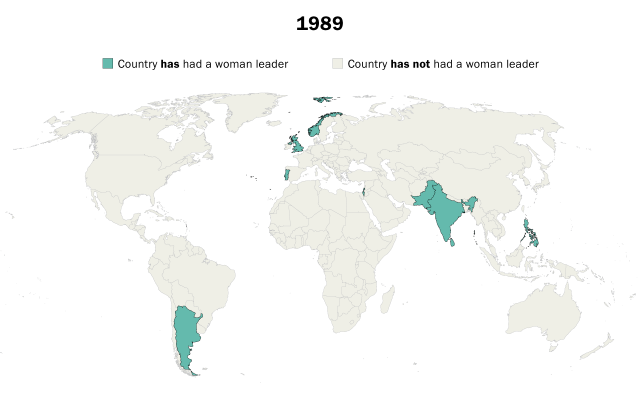
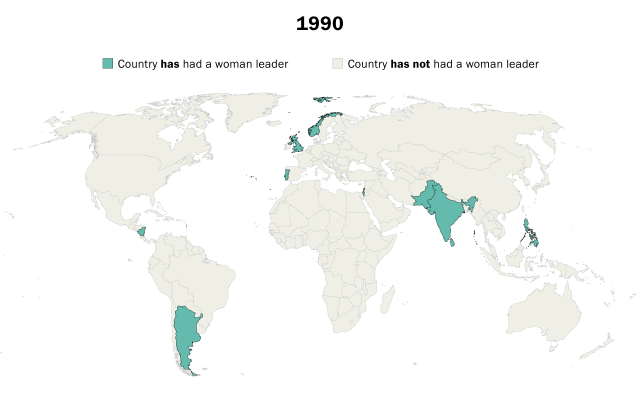
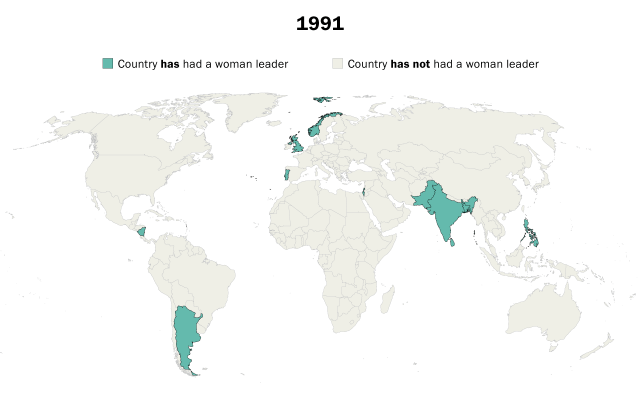
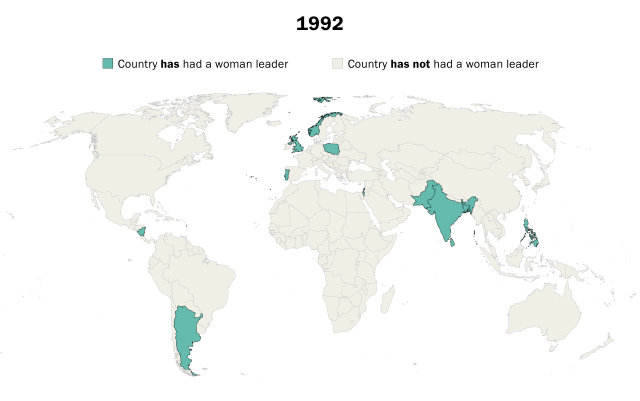
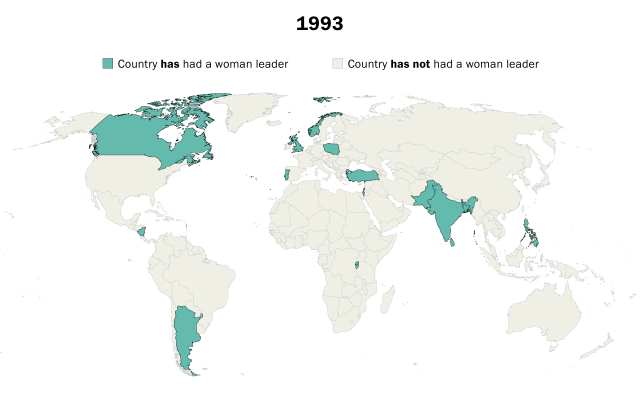
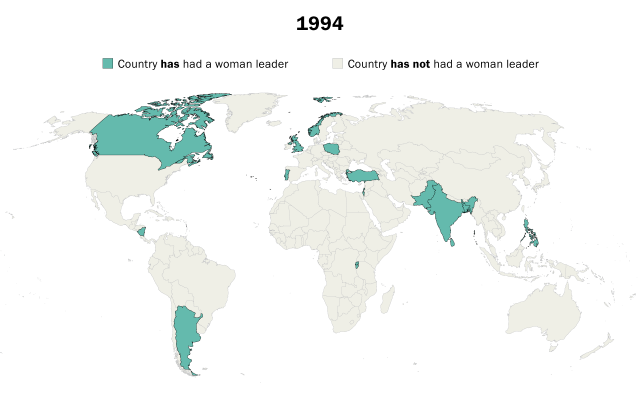
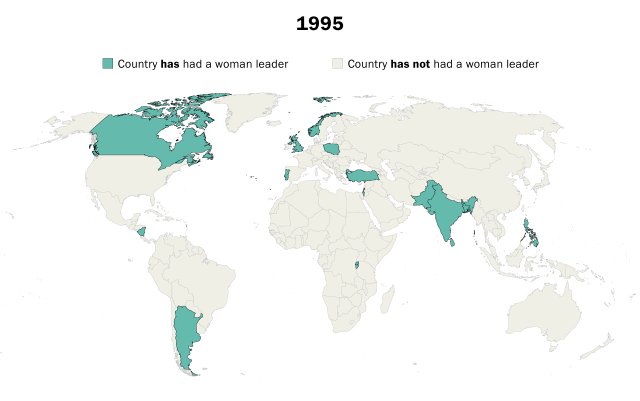
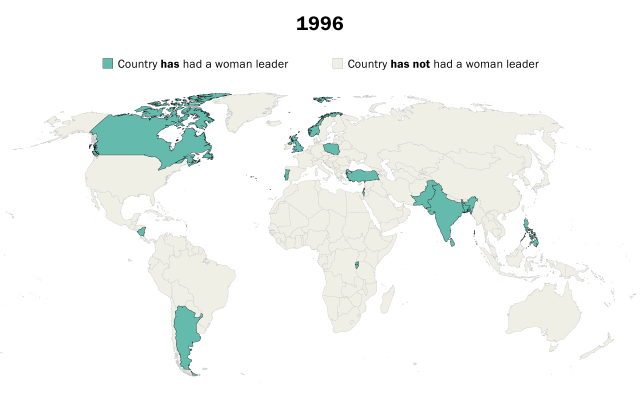
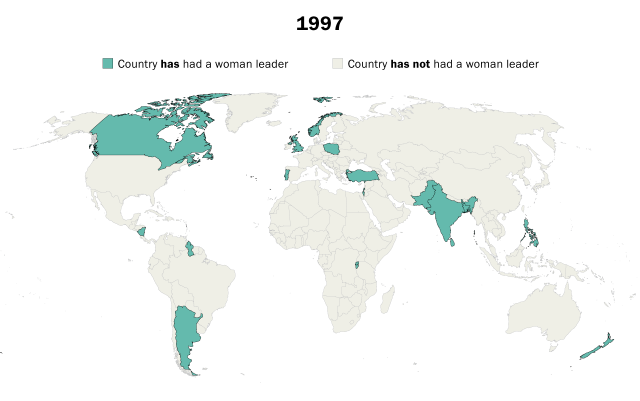
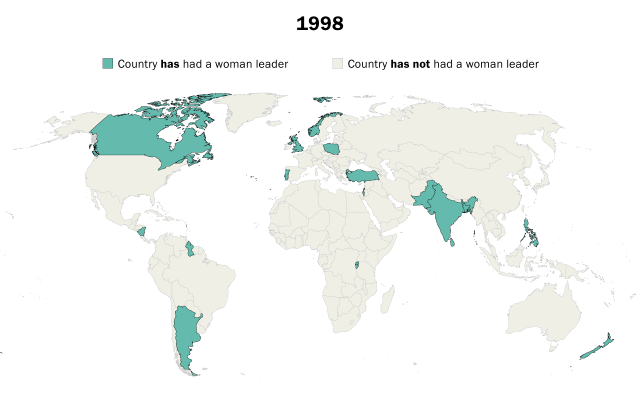
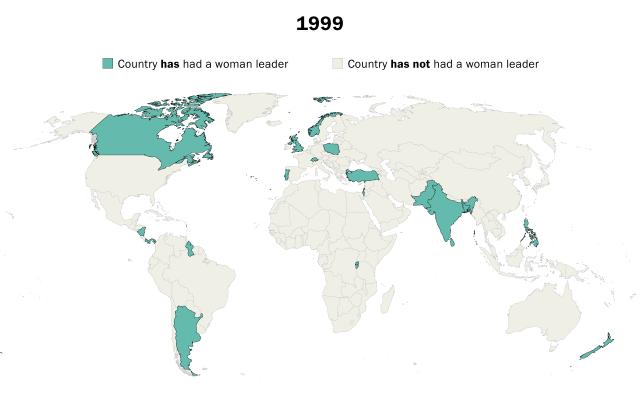
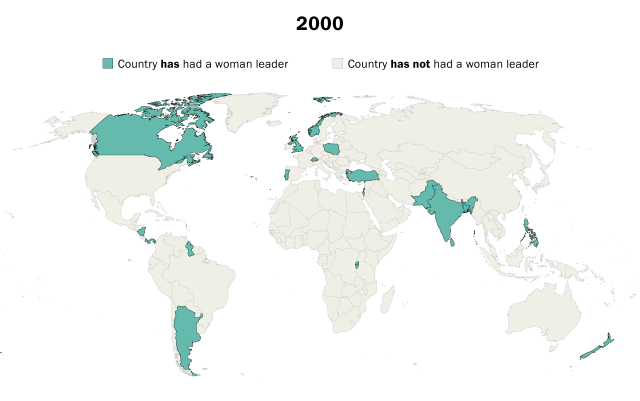
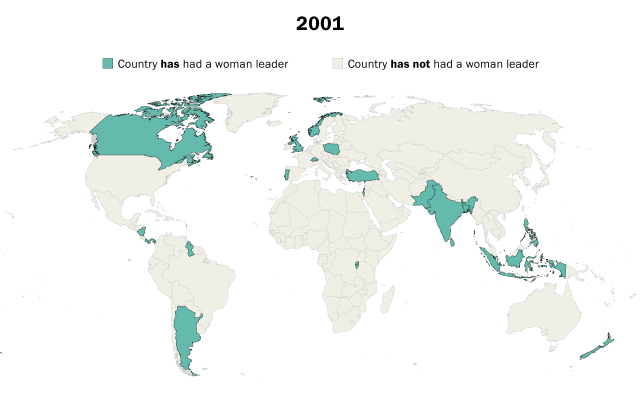
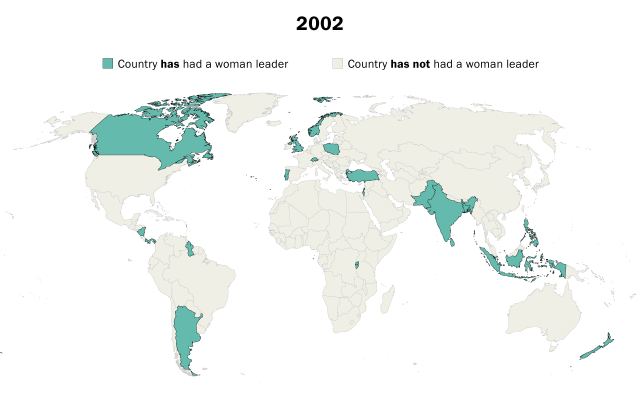
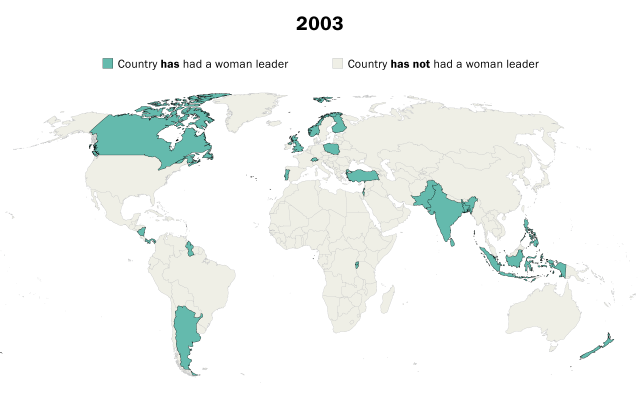
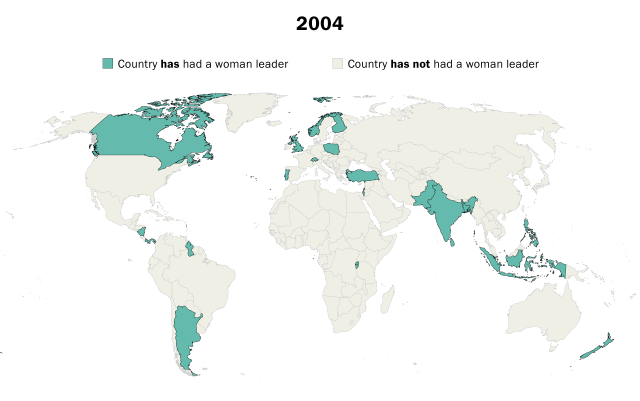
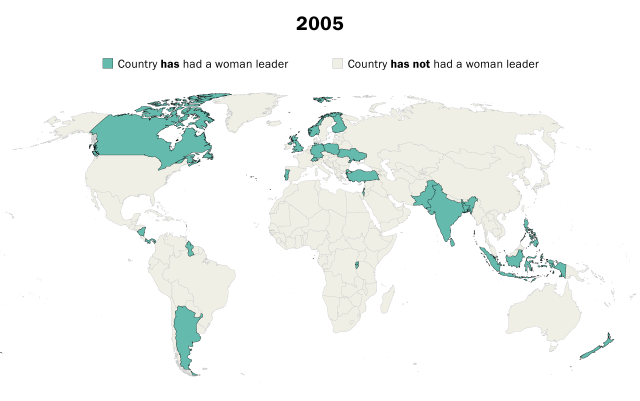
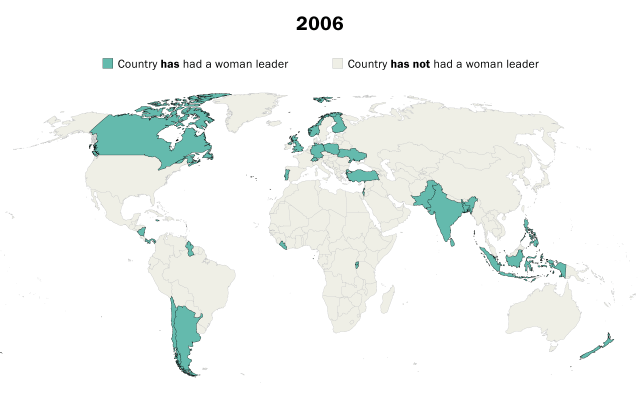
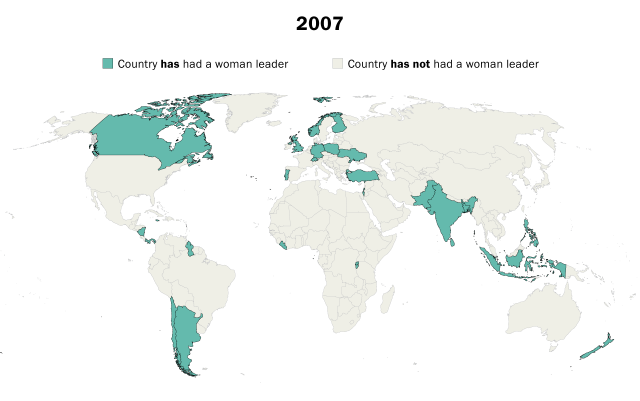
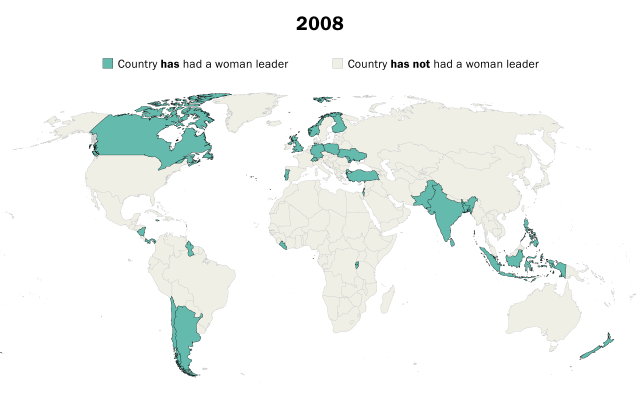
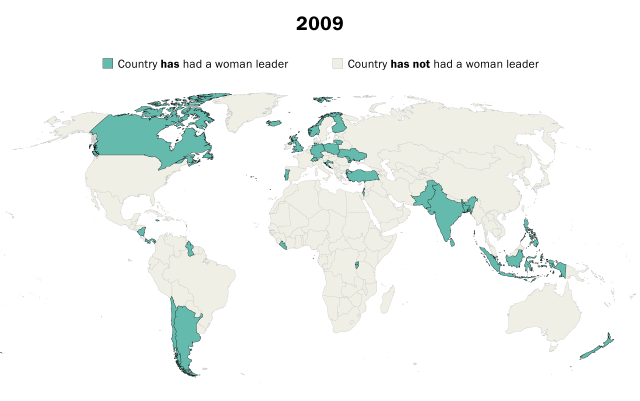
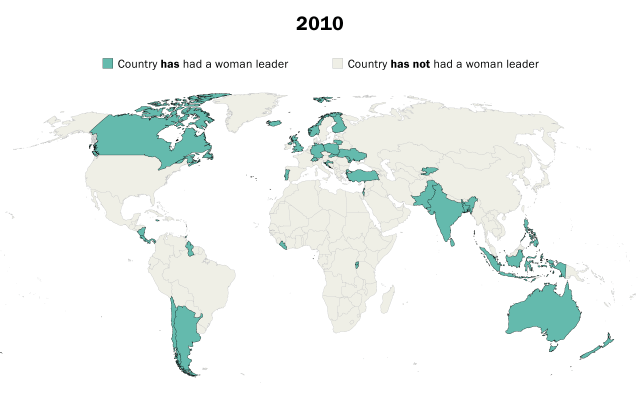
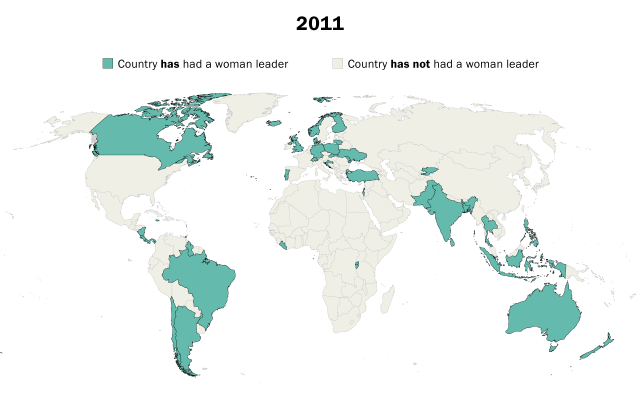
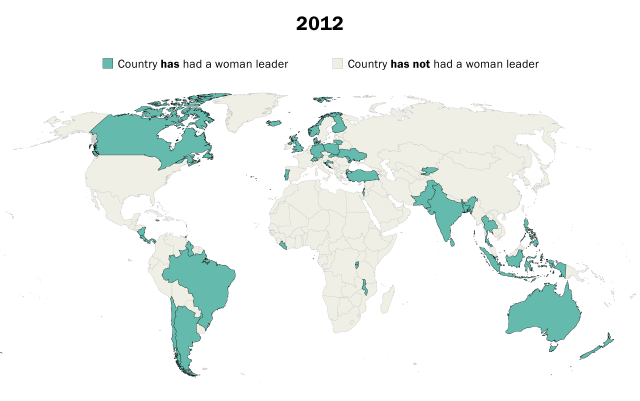
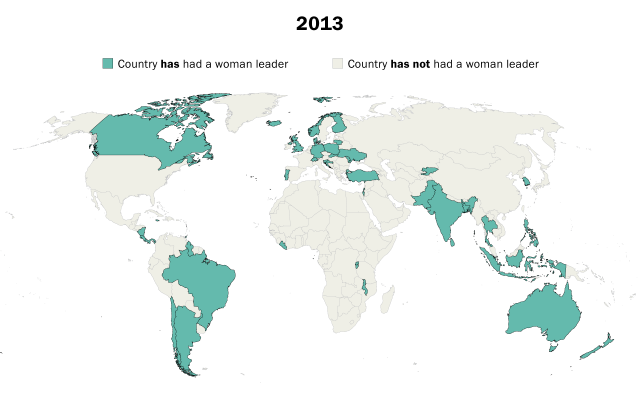
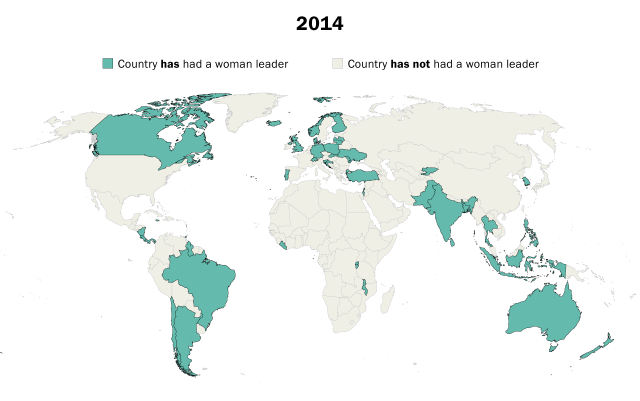
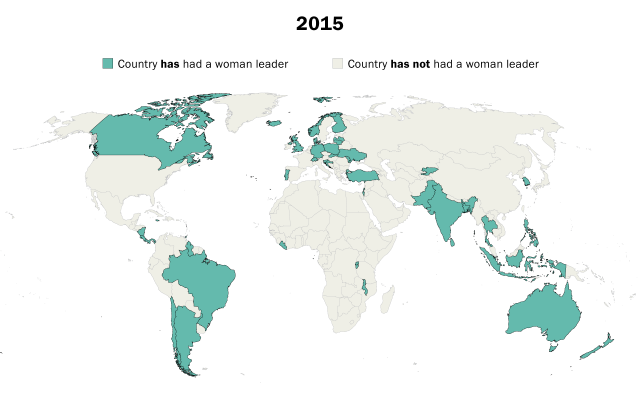
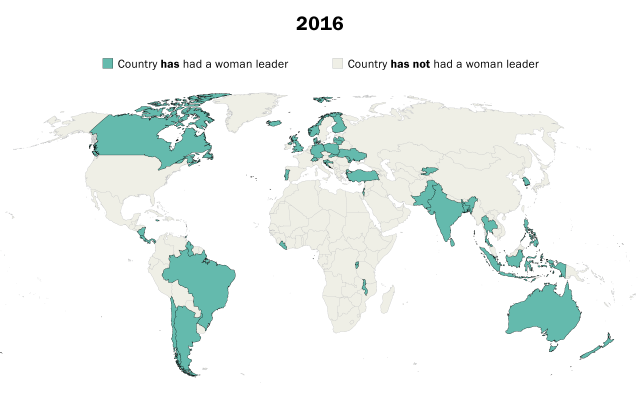
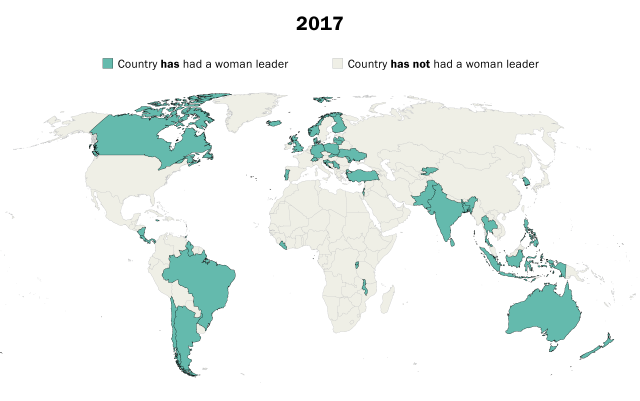
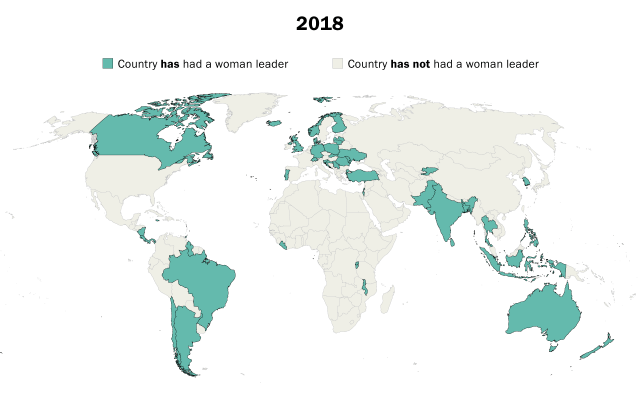

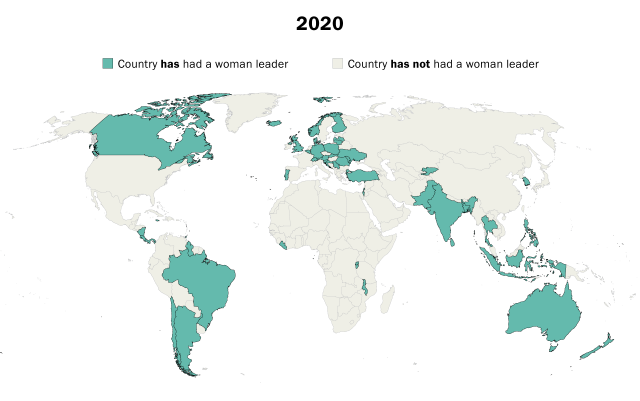
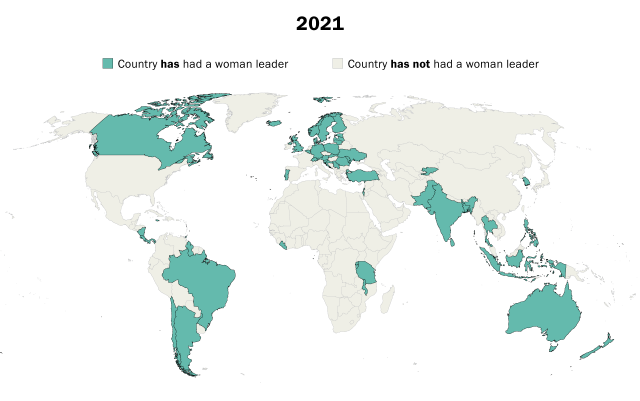
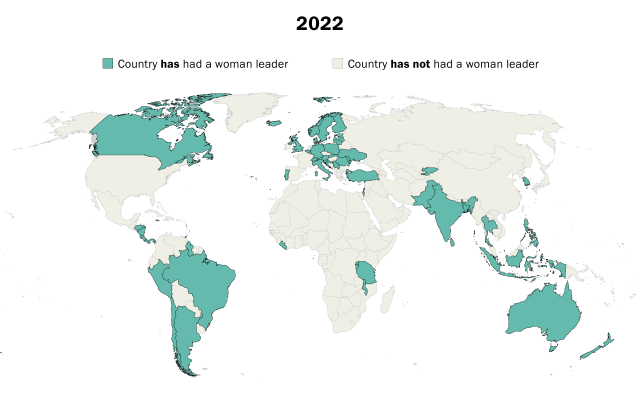
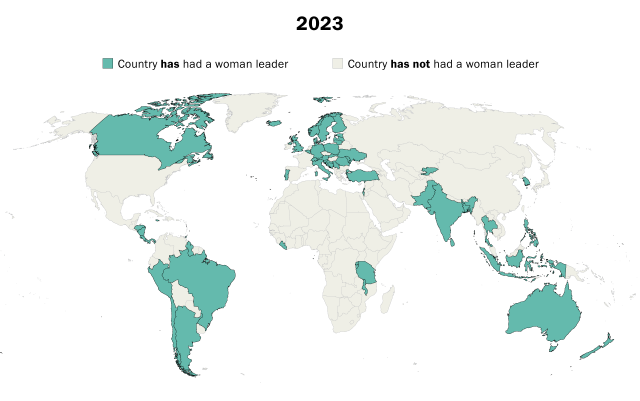
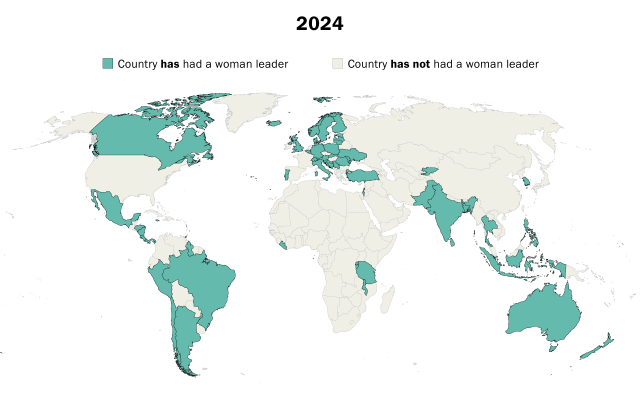
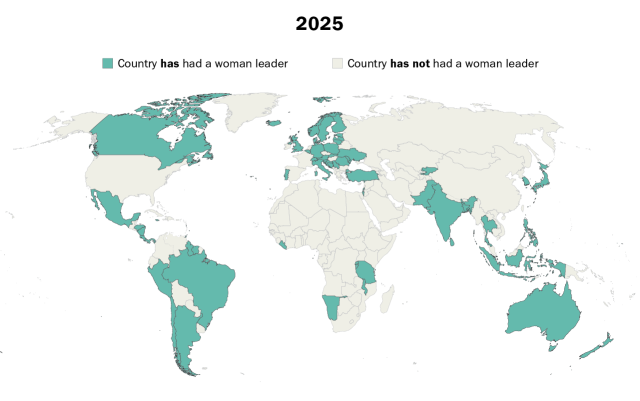
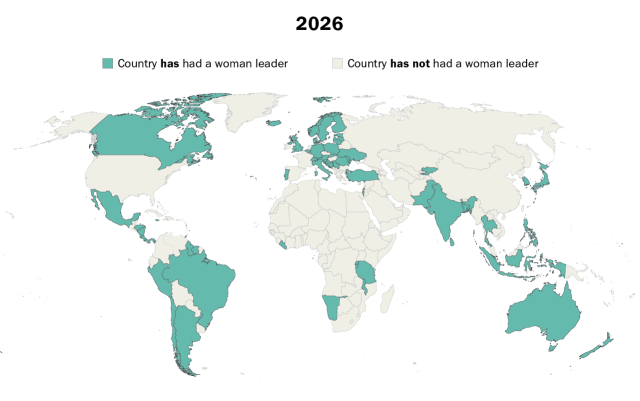
Note: Data is through March 2, 2026, and is limited to heads of government for the 193 UN member states.
Source: Pew Research Center analysis of data from the Council of Foreign Relations and independent sources.
PEW RESEARCH CENTER
The longest-serving woman head of government since 1960 is former Bangladeshi Prime Minister Sheikh Hasina. Hasina spent more than 20 total years in power but resigned and fled Bangladesh in 2024, when mass protests against a quota system for government jobs turned into a more violent movement against her government. (She was also the oldest woman leader at the time, according to a separate Pew Research Center analysis.)
A few notable women leaders are not included in this analysis. All leaders of non-UN member states are excluded. In addition, President-elect Laura Fernández of Costa Rica is excluded because she will not be sworn in until May 8. Venezuelan President Delcy Rodriguez and Nepalese Prime Minister Sushila Karki are also excluded since they are leading on an interim basis.
Some former women leaders such as Aung San Suu Kyi of Myanmar (also called Burma) are also excluded due to a lack of clear government control. For more details, read “About this research.”
Note: This is an update of a post originally published July 30, 2015. The “About this research” box was updated again on March 13, 2026, to clarify our methodology for inclusion or exclusion of certain leaders. It was previously updated Oct. 3, 2024; Research Analyst Laura Clancy and Editorial Specialist Anna Jackson contributed to that version.
