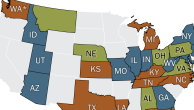
Who Sees Themselves as Working Class?
Most Americans think of themselves as working class, and Republicans are more likely to do so than Democrats.
Numbers, Facts and Trends Shaping Your World
Read our research on:

All
Publications
Most Americans think of themselves as working class, and Republicans are more likely to do so than Democrats.
Only 35.5% of U.S. teens ages 16 to 19 worked this summer, up slightly from 2025 but far below the more than half who worked most summers before 2000.
Parents – especially moms – often carry the mental load that comes with trying to balance what their families need with what their job demands. And with so many obligations, it’s not surprising that working parents sometimes feel like they can’t give 100% at home or at work.
This year, at least 33 states and the District of Columbia will legally recognize Juneteenth as a public holiday.
When BLS reports are unavailable many economy watchers turn to the national employment report from ADP.
30 states and three U.S. territories recognize Columbus Day in some form, but only 20 states and two territories make Columbus Day a paid holiday for state workers.
Workers younger than 50 and workers with a bachelor’s degree or more education are among the most likely to use AI in their job.
The share of U.S. workers who belonged to a union in 2024 stood at 9.9%, down from 1983 when 20.1% of American workers were union members.
Today, half of U.S. adults say these types of company statements are very or somewhat important. The other half say they are not too or not at all important.
In 2023, 46% of all managers in the U.S. were women. This is up from 29% in 1980 but still slightly lower than the 49% of all workers who were women as of 2023.