In 25-Country Survey, Americans Especially Likely To View Fellow Citizens as Morally Bad
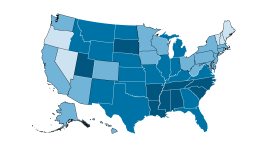
The U.S. is the only place we surveyed where more adults describe the morality and ethics of others living in the country as bad (53%) than as good (47%).
All
Publications
The religious typology sorts American adults into seven cohesive, like-minded groups based on the religious and spiritual beliefs they share, how actively they practice their faith, the value they place on their religion, and the other sources of meaning and fulfillment in their lives. Use this tool to compare the groups on key topics and demographics.
A new analysis looks at beliefs and behaviors that cut across many religious denominations – important traits that unite people of different faiths, or that divide those of the same religious affiliation.
Six-in-ten religious “nones” in the U.S. say the questioning of religious teachings is a very important reason for their lack of affiliation. The second-most-common reason is opposition to the positions taken by churches on social and political issues.
In recent years, the percentage of U.S. adults who say they regularly attend religious services has been declining, while the share of Americans who attend only a few times a year, seldom or never has been growing. A new Pew Research Center survey finds that the main reason people regularly go to church, synagogue, mosque […]
Americans’ views of religion’s role in society have grown more positive in recent years. But many feel their religious beliefs conflict with the mainstream.
Many religious “nones,” which include atheists and agnostics, in 22 countries hold religious or spiritual beliefs, such as in an afterlife or something beyond the natural world.
After years of decline, the U.S. Christian share now shows signs of leveling off. The new Religious Landscape Study explores trends in identity, beliefs and practices.
The Global Religious Futures (GRF) project is jointly funded by The Pew Charitable Trusts and The John Templeton Foundation. Here are some big-picture findings from the GRF, together with context from other Pew Research Center studies.