In 25-Country Survey, Americans Especially Likely To View Fellow Citizens as Morally Bad
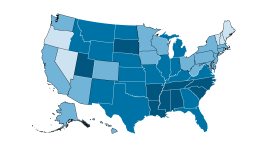
The U.S. is the only place we surveyed where more adults describe the morality and ethics of others living in the country as bad (53%) than as good (47%).
All
Publications
Washington, D.C. That evangelicals have become an important political constituency is not news, but two new books probe behind the headlines to reveal both the hidden tensions and unsung successes of a movement that is about far more than just swing votes. Sociologist Michael Lindsay in his book, Faith in the Halls of Power: How […]
The publics of the world broadly embrace key tenets of economic globalization but fear the disruptions and downsides of participating in the global economy. In rich countries as well as poor ones, most people endorse free trade, multinational corporations and free markets. However, the latest Pew Global Attitudes survey of more than 45,000 people finds they are concerned about inequality, threats to their culture, threats to the environment and the threats posed by immigration. And there are signs that enthusiasm for economic globalization is waning in the West.
September 25, 2007 Section 1: Opinions about Muslims and Islam Section 2: Views of Mormons and Mormonism Section 3: Opinions about Pope Benedict XVI About the Survey The Muslim and Mormon religions have gained increasing national visibility in recent years. Yet most Americans say they know little or nothing about either religion’s practices, and large […]
Americans’ views of religion’s role in society have grown more positive in recent years. But many feel their religious beliefs conflict with the mainstream.
Many religious “nones,” which include atheists and agnostics, in 22 countries hold religious or spiritual beliefs, such as in an afterlife or something beyond the natural world.
After years of decline, the U.S. Christian share now shows signs of leveling off. The new Religious Landscape Study explores trends in identity, beliefs and practices.
The Global Religious Futures (GRF) project is jointly funded by The Pew Charitable Trusts and The John Templeton Foundation. Here are some big-picture findings from the GRF, together with context from other Pew Research Center studies.