
Trump’s job approval rating is low by historical standards
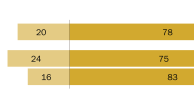
Trump’s job approval sits at 34%, lower than most recent presidents at comparable points, with a partisan gap of 78 percentage points.
Numbers, Facts and Trends Shaping Your World
Read our research on:

Research Analyst
Shanay Gracia is a research analyst at Pew Research Center focusing on U.S. politics and policy. She holds a Bachelor of Arts in Political Science from Brigham Young University.
Trump’s job approval sits at 34%, lower than most recent presidents at comparable points, with a partisan gap of 78 percentage points.
Our typology sorts the public into nine groups based on their political and cultural values, not their party – painting a picture of American politics with far more than two colors.
Economic issues continue to dominate Americans’ ranking of the country’s top problems. Meanwhile, the share who say illegal immigration is a very big problem has dropped since the start of Trump’s second term.
A majority of Americans (56%) say the overall level of ethics and honesty in the federal government has fallen over the course of Trump’s term.
Overall, 53% of Americans say it is extremely or very important for the U.S. to take an active role in world affairs.
Frustration is common across the political spectrum regardless of which party holds the presidency.
Most Americans (78%) say elected officials should avoid using heated or aggressive language because it could encourage some people to take violent action.
Democrats’ frustration with their own party is up sharply, as many say it hasn’t pushed back hard enough against Trump and the GOP. In contrast, 40% of Republicans say they are frustrated with their party.
A growing share of Republicans say that those who call out others on social media for posts that might be considered offensive are mainly holding people accountable.
President Donald Trump’s recent pledge to end mail-in voting comes as a 58% majority of Americans favor allowing any voter to cast their ballot by mail.
Notifications