How Americans Feel About Religion’s Influence in Government and Public Life
A growing share of U.S. adults say religion is gaining influence, but most still want churches to stay out of politics, a 2026 survey finds.
Numbers, Facts and Trends Shaping Your World
All
Publications
A growing share of U.S. adults say religion is gaining influence, but most still want churches to stay out of politics, a 2026 survey finds.
Majorities in Brazil, Colombia and Peru want leaders who stand up for their religious beliefs. Protestants are especially supportive of Christianity in public life.
As of 2020, Muslims made up a majority of Nigeria’s total population (56.1%), while Christians made up 43.4%.
Most White evangelicals (72%) say they approve of how Trump is doing as president. Other religious groups are more divided or disapprove.
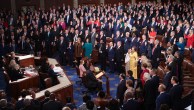
The 119th Congress is the most racially and ethnically diverse in history, and it includes the nation’s first openly transgender legislator at the federal level.
We asked people in three dozen countries how they see religion’s role in society, government and national identity.
Christians will make up 87% of voting members in the Senate and House of Representatives, combined, in the 2025-27 congressional session.
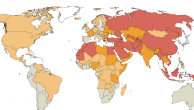
Long-term analysis of 198 countries and territories shows government restrictions on religion and social hostilities toward religious groups go hand in hand.
Among White evangelicals, support for Trump is higher among those who attend church regularly than among those who don’t.
Adults in Indonesia, Bangladesh and the Philippines are the most likely to say it is important to have a leader who stands up for people with their religious beliefs.
Notifications