2020 census will ask about same-sex marriages for the first time
A new question about citizenship on the 2020 census form is in the headlines, but the U.S. Census Bureau also plans other changes for the next national count.
Numbers, Facts and Trends Shaping Your World
Read our research on:

A new question about citizenship on the 2020 census form is in the headlines, but the U.S. Census Bureau also plans other changes for the next national count.
The number and share of Americans living in multigenerational family households have continued to rise. In 2016, a record 64 million people, or 20% of the U.S. population, lived with multiple generations under one roof.
The highest U.S. tariffs aren’t on imports from its biggest trading partners, but on products from several developing South Asian nations whose exports are heavily weighted toward clothing, footwear and other products that the U.S. generally taxes highly.
Many Americans see new difficulties for men in workplace interactions and little effect on women’s career opportunities amid the increased focus on sexual harassment and assault.
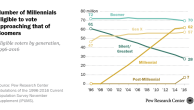
As of November 2016, an estimated 62 million Millennials were voting-age U.S. citizens – moving closer in number to the 70 million Baby Boomers.
The share of Latino parents who ensure the Spanish language lives on with their children declines as their immigrant connections become more distant.
The U.S. Census Bureau is planning to ask everyone living in the United States whether they are citizens when it conducts its next decennial census in 2020.
Average tariff rates, while useful for comparison, can obscure the wide range of rates imposed on different classes of imports and on specific products.
The Trump administration’s plans to impose $50 billion in tariffs on Chinese imports, as well as tariffs recently placed on imported steel and aluminum and on imports of solar panels and washing machines, mark a distinct break from decades of U.S. trade policy, which long has generally favored lower tariffs and fewer restrictions on the movement of goods and services across international borders.