Religious Landscape Study: Database
The Religious Landscape Study is a comprehensive survey of more than 35,000 Americans’ religious identities, beliefs and practices that’s been conducted in 2007, 2014 and 2023-24. Pew Research Center.
The Religious Landscape Study is a comprehensive survey of more than 35,000 Americans’ religious identities, beliefs and practices that’s been conducted in 2007, 2014 and 2023-24. Pew Research Center.
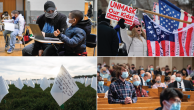
After years of decline, the U.S. Christian share now shows signs of leveling off. The new Religious Landscape Study explores trends in identity, beliefs and practices.
At least 80% of Catholics have expressed a favorable opinion of Pope Francis in 10 of the 15 U.S. surveys in which we have asked about the pope since 2013.
Nearly three-quarters of U.S. adults (72%) say the COVID-19 pandemic did more to drive the country apart than to bring it together.
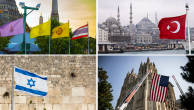
We asked people in three dozen countries how they see religion’s role in society, government and national identity.
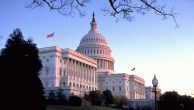
Christians will make up 87% of voting members in the Senate and House of Representatives, combined, in the 2025-27 congressional session.
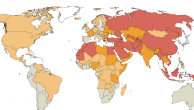
Long-term analysis of 198 countries and territories shows government restrictions on religion and social hostilities toward religious groups go hand in hand.
How do governments and social actors limit religion? Our interactive has tracked restrictions on religion in 198 countries and territories since 2007.
In the year since Hamas attacked Israel, and Israel responded by invading Gaza, U.S. public opinion on the war shifted modestly.
Views vary on other ideas, such as recognizing same-sex marriages. Most see Pope Francis as a change in the church’s direction, and he’s broadly popular.