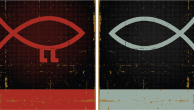
Few Americans identify with more than one religion
While roughly one-in-five U.S. adults say they were raised by two parents with different religions, just 6% say they now identify with multiple religions.
Numbers, Facts and Trends Shaping Your World
Read our research on:

All
Publications
While roughly one-in-five U.S. adults say they were raised by two parents with different religions, just 6% say they now identify with multiple religions.
Roughly one-in-five U.S. adults were raised with a mixed religious background, according to a new Pew Research Center study.
Three-quarters or more of Americans are confident in the military, medical scientists and scientists in general to act in the best interests of the public. But fewer than half report similar confidence in the news media, business leaders and elected officials.
A look inside the religious divide within Israeli society. A companion to Pew Research Center’s March 2016 report, “Israel’s Religiously Divided Society.” The views and opinions expressed by the individual participants in this program are solely those of the participants, and do not necessarily reflect the views or opinions of the Pew Research Center. The […]
A total of 38,901 Muslim refugees entered the U.S. in fiscal year 2016, making up almost half (46%) of the nearly 85,000 refugees who entered the country in that period.
Mormons place a very high value on good parenting and a successful marriage, and they are among the most involved in their congregations of any Christian faith.
Table of Contents If you are Jewish, odds are that you live in Israel or the United States. Four out of every five Jews in the world live in these two countries, with approximately 6 million Jews in each. Differing perspectives Pew Research Center has surveyed Jewish adults in both places, and has found deep bonds between them. Nevertheless, […]
The share of Americans who do not identify with a religious group is surely growing, but there are differing ideas about the factors driving this trend.
Americans are more worried than excited or enthusiastic about the potential for healthy people to use synthetic blood (63% vs. 36%). And a majority of Americans – roughly six-in-ten – said they would not want synthetic blood substitutes in their own body to improve their abilities, while 35% would be open to it.