If the U.S. had 100 people: Charting Americans’ religious affiliations
If the U.S. had 100 people, 62 would be Christians, including 40 Protestants, 19 Catholics, two Latter-day Saints and two who identify with other Christian groups.
Numbers, Facts and Trends Shaping Your World
Read our research on:

If the U.S. had 100 people, 62 would be Christians, including 40 Protestants, 19 Catholics, two Latter-day Saints and two who identify with other Christian groups.
As of 2020, Muslims made up a majority of Nigeria’s total population (56.1%), while Christians made up 43.4%.
Americans’ views of religion’s role in society have grown more positive in recent years. But many feel their religious beliefs conflict with the mainstream.
Find out how adults in your state compare with other Americans on measures of spirituality, such as belief in souls, spiritual presences, an afterlife and more.
Error bars illustrate the margin of error for a survey estimate by showing how precise that estimate is. Here are some answers to common questions that might help you better understand charts with error bars.
Explore our interactive database to find how religious adults are in your state based on service attendance, prayer, belief in God, and importance of religion.
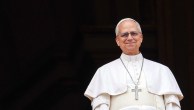
U.S. Catholics are still getting to know Pope Leo XIV. But they like what they’ve seen so far, according to our recent survey.
Few Americans say God chooses presidential election winners because of their policies. Most U.S. Christians say that “good Christians” do not need to take a particular view on Trump.
Many religious “nones,” which include atheists and agnostics, in 22 countries hold religious or spiritual beliefs, such as in an afterlife or something beyond the natural world.
Religion in a country tends to decline in three transitional stages that unfold across generations, a new paper using Center data proposes.