2020 census will ask about same-sex marriages for the first time
A new question about citizenship on the 2020 census form is in the headlines, but the U.S. Census Bureau also plans other changes for the next national count.
Numbers, Facts and Trends Shaping Your World
Read our research on:

All
Publications
A new question about citizenship on the 2020 census form is in the headlines, but the U.S. Census Bureau also plans other changes for the next national count.
Read key findings and watch a video about our new study on how bot accounts affect the mix of content on Twitter.
More than seven-in-ten U.S. Christian women say religion is very important in their lives, compared with 62% of the country’s Christian men.
The number and share of Americans living in multigenerational family households have continued to rise. In 2016, a record 64 million people, or 20% of the U.S. population, lived with multiple generations under one roof.
The highest U.S. tariffs aren’t on imports from its biggest trading partners, but on products from several developing South Asian nations whose exports are heavily weighted toward clothing, footwear and other products that the U.S. generally taxes highly.
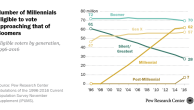
As of November 2016, an estimated 62 million Millennials were voting-age U.S. citizens – moving closer in number to the 70 million Baby Boomers.
The share of Latino parents who ensure the Spanish language lives on with their children declines as their immigrant connections become more distant.
The U.S. Census Bureau is planning to ask everyone living in the United States whether they are citizens when it conducts its next decennial census in 2020.
The employment of high-skilled foreign workers with H-1B visas centered in large East Coast and Texas metro areas in fiscal 2010-2016.
Sizable majorities of Democrats and Republicans cite the other party’s harmful policies as a major reason they belong to their party.