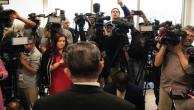
Which Americans are most likely to have spoken with a local journalist?
About a quarter of Americans have spoken with a local journalist, with education, income, race and community attachment linked to higher rates of interaction.
Numbers, Facts and Trends Shaping Your World
Read our research on:

All
Publications
About a quarter of Americans have spoken with a local journalist, with education, income, race and community attachment linked to higher rates of interaction.
57% of U.S. adults say they have not too much (40%) or no confidence (17%) in journalists to act in the best interests of the public.
U.S. adults largely value journalists’ role in society but see their influence declining – and they differ over what a journalist is.
About six-in-ten Americans (59%) say AI will lead to fewer jobs for journalists in the next two decades.
Most Americans say it is not important that the news they get comes from journalists who share their political views, age, gender or other traits.
More Americans now prefer to get local news online, while fewer turn to TV or print. And most say local news outlets are important to their community.
57% of U.S. journalists surveyed say they are extremely or very concerned about potential restrictions on press freedoms in the country.
41% of U.S. journalists who are employed at least part time at a news outlet say they would join a union if it were available to them.
55% of journalists surveyed say that every side does not always deserve equal coverage in the news. 22% of Americans overall say the same.
The social media sites that journalists use most frequently for their jobs differ from those that the public turns to for news.