In some states, students account for a large and growing share of statehouse reporters
In Missouri, 51% of all reporters covering the state capitol this year – 26 of 51 – are students.
All
Publications
In Missouri, 51% of all reporters covering the state capitol this year – 26 of 51 – are students.
Most Americans value having family close by, while 55% say they live within an hour’s drive of at least some extended family members.
As has often been the case on policy questions about how to deal with the pandemic, partisans are far apart in their views on mask mandates.
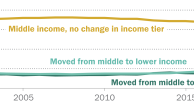
In the United States, the transience of economic status varies significantly across racial and ethnic groups and by level of education.
More than nine-in-ten Americans (93%) say high school grades should be at least a minor factor in admissions decisions.
Students who are gay, lesbian or bisexual, as well as girls, were especially likely to say their mental health has suffered in the past year.
Most Americans who have heard about the law say it’s had a positive impact on gender equality in the United States (63%).
Many Black Americans say they learn about their ancestors and U.S. Black history from family.
College graduates generally out-earn those who have not attended college, yet many say they can’t afford to get a four-year degree – or that they just don’t want to.
Public views are tied to how these technologies would be used and what constraints would be in place.